Benefits of sustainable design sets the stage for this enthralling narrative, offering readers a glimpse into a story that is rich in detail and brimming with originality from the outset. From environmental to economic and social advantages, sustainable design proves to be a game-changer in modern architecture.
Introduction to Sustainable Design
Sustainable design is a method of designing products, buildings, or environments with the goal of reducing negative impacts on the environment and human health. It focuses on minimizing the use of non-renewable resources, reducing waste, and creating healthy, energy-efficient spaces. In modern architecture, sustainable design plays a crucial role in addressing climate change and promoting a more sustainable future.
Key Principles of Sustainable Design
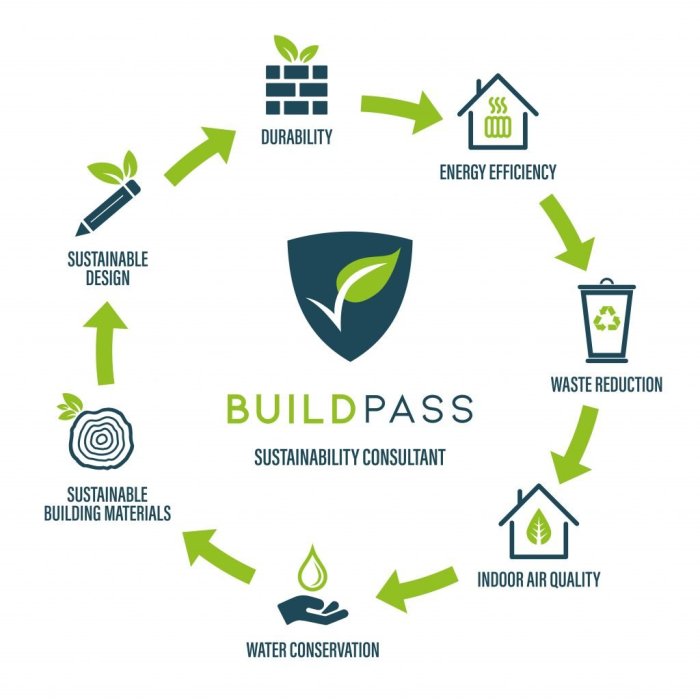
- Energy Efficiency: Incorporating energy-efficient technologies and practices to reduce energy consumption and minimize carbon footprint.
- Water Conservation: Implementing strategies to reduce water usage and promote efficient water management.
- Use of Sustainable Materials: Choosing materials that are environmentally friendly, renewable, and have minimal environmental impact.
- Waste Reduction: Designing with the aim of producing minimal waste during construction and operation, and promoting recycling and reuse.
Examples of Sustainable Design Elements
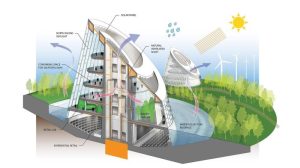
- Solar Panels: Installing solar panels on rooftops to harness renewable energy and reduce reliance on non-renewable sources.
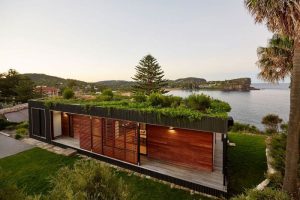
- Green Roofs: Incorporating vegetation on rooftops to improve insulation, reduce stormwater runoff, and provide habitat for wildlife.
- Passive Design: Orienting buildings to maximize natural light and ventilation, reducing the need for artificial lighting and air conditioning.
Environmental Benefits
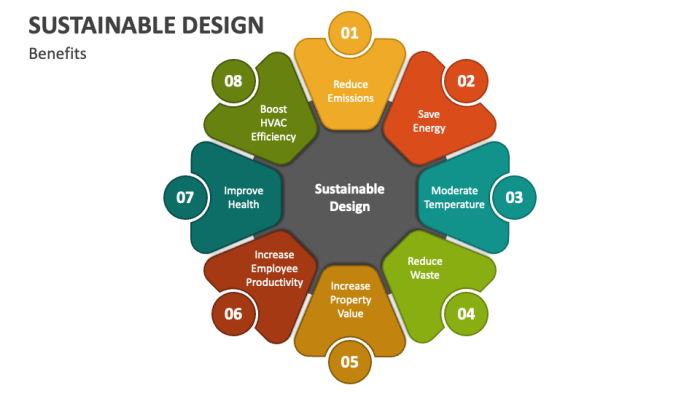
Sustainable design plays a crucial role in reducing the carbon footprint and minimizing the negative impact on the environment. By implementing eco-friendly practices and materials, sustainable design significantly contributes to a healthier planet.
Reducing Carbon Footprint
- Sustainable design focuses on energy efficiency, utilizing renewable energy sources like solar or wind power to reduce the reliance on fossil fuels.
- By incorporating green building practices, such as proper insulation and efficient lighting, sustainable designs lower energy consumption and decrease greenhouse gas emissions.
- Building materials with high embodied carbon are avoided, leading to a decrease in overall carbon footprint during the construction phase.
Impact of Sustainable Materials on Ecosystems
- Sustainable materials are sourced responsibly, often from recycled or renewable sources, reducing the strain on ecosystems and preserving biodiversity.
- By using non-toxic and biodegradable materials, sustainable design prevents pollution and minimizes harm to wildlife habitats.
- Choosing sustainable materials over conventional ones helps in conserving natural resources and promoting a more sustainable cycle of production and consumption.
Preservation of Natural Resources
- Sustainable design emphasizes the use of materials that are easily replenished or have minimal environmental impact, ensuring the longevity of vital resources.
- Water-conserving fixtures and systems are integrated into sustainable designs to reduce water wastage and protect freshwater sources.
- Efforts to minimize waste generation and promote recycling in sustainable design practices further contribute to the preservation of natural resources and the overall health of the environment.
Economic Benefits
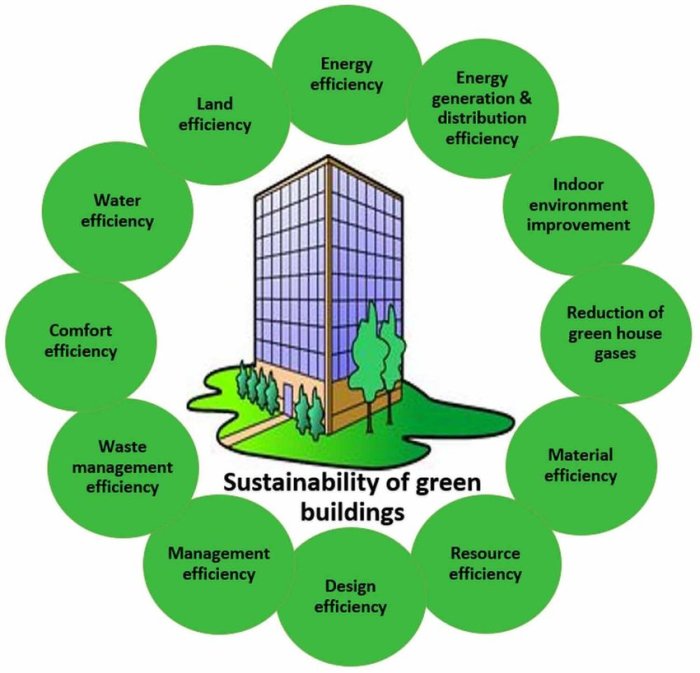
When it comes to sustainable design, the economic benefits extend beyond just environmental impact. In fact, implementing sustainable practices can lead to significant cost savings over time, making it a financially smart choice for individuals and businesses alike.
Cost-saving advantages of sustainable design
One of the key advantages of sustainable design is its ability to reduce operational costs in the long run. By investing in energy-efficient systems, such as LED lighting or solar panels, buildings can significantly lower their utility bills. Additionally, sustainable materials and construction techniques can lead to lower maintenance and repair costs over the lifespan of a building.
- Implementing energy-efficient systems can result in savings of up to 30% on energy bills annually.
- Using sustainable materials can reduce maintenance costs by up to 20% over time.
- Choosing water-saving fixtures can lead to a decrease in water bills by as much as 50%.
Long-term financial benefits
While the initial investment in sustainable design may be higher than traditional methods, the long-term financial benefits far outweigh the upfront costs. Not only do energy-efficient buildings save money on utilities, but they also tend to have higher property values and lower insurance premiums due to their reduced risk of damage.
Studies have shown that sustainable buildings can have a 4-8% increase in property value compared to conventional buildings.
Return on investment for sustainable building practices
Calculating the return on investment (ROI) for sustainable building practices involves looking at the upfront costs, operational savings, and increased value of the property. In most cases, the ROI for sustainable design can be seen within a few years of implementation, making it a financially wise decision in the long run.
Social Benefits
Sustainable design goes beyond just environmental and economic benefits, it also plays a crucial role in improving social well-being. One of the key aspects of social benefits in sustainable design is the enhancement of indoor air quality and occupant health.
Improved Indoor Air Quality and Occupant Health
Sustainable design focuses on using non-toxic materials, maximizing natural light and ventilation, and implementing efficient HVAC systems. These factors contribute to healthier indoor environments, reducing the risk of respiratory issues, allergies, and other health problems associated with poor air quality. By prioritizing the health of building occupants, sustainable design creates spaces that promote well-being and productivity.
Healthier and Happier Communities
Sustainable design extends its impact beyond individual buildings to the community level. By incorporating green spaces, pedestrian-friendly layouts, and access to public transportation, sustainable design fosters a sense of community and encourages social interaction. These elements contribute to creating vibrant, cohesive neighborhoods where residents feel connected and supported, leading to happier and healthier communities overall.
Examples of Sustainable Design Projects
One notable example of a sustainable design project that prioritizes social well-being is the Bullitt Center in Seattle, Washington. This commercial office building features a range of sustainable features such as rainwater harvesting, solar panels, and natural ventilation systems. Additionally, the building is designed to promote occupant health and well-being through ample daylight, indoor plants, and non-toxic materials. The Bullitt Center serves as a model for how sustainable design can enhance both environmental sustainability and social benefits.
In conclusion, the Benefits of sustainable design are vast and impactful, reaching far beyond just aesthetics. By embracing sustainable design principles, we pave the way for a brighter, healthier future for generations to come.
Questions Often Asked
How does sustainable design affect indoor air quality?
Sustainable design promotes better ventilation systems and the use of non-toxic materials, resulting in improved indoor air quality.
What are some long-term financial benefits of sustainable design?
Over time, sustainable design can lead to reduced energy costs, lower maintenance expenses, and increased property value.
Can sustainable design contribute to creating happier communities?
Absolutely. By integrating green spaces, promoting social interaction, and enhancing overall well-being, sustainable design plays a key role in fostering happier and healthier communities.