Sustainable design for homes sets the stage for this enthralling narrative, offering readers a glimpse into a story that is rich in detail with a focus on creating environmentally conscious living spaces. Throughout this discussion, we will explore the key aspects of sustainable design that not only benefit homeowners but also contribute to a greener future for all.
As we delve into energy-efficient features, eco-friendly materials, water conservation strategies, indoor air quality considerations, and passive design strategies, we uncover a world of possibilities for designing homes that are both stylish and sustainable.
Sustainable Design
Sustainable design refers to the practice of creating buildings, products, and environments that aim to reduce negative impacts on the environment and human health. It involves considering the entire lifecycle of a product or building, from design and construction to maintenance and eventual disposal.
Examples of Sustainable Design Principles for Homes
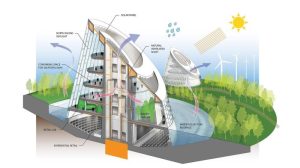
- Passive Solar Design: Orienting a home to maximize natural light and heat from the sun, reducing the need for artificial lighting and heating.
- Energy-Efficient Appliances: Installing appliances that are Energy Star rated to reduce electricity consumption.
- Water Conservation: Implementing low-flow fixtures and rainwater harvesting systems to reduce water usage.
- Use of Recycled and Sustainable Materials: Incorporating materials like bamboo flooring, recycled glass countertops, and reclaimed wood to minimize environmental impact.
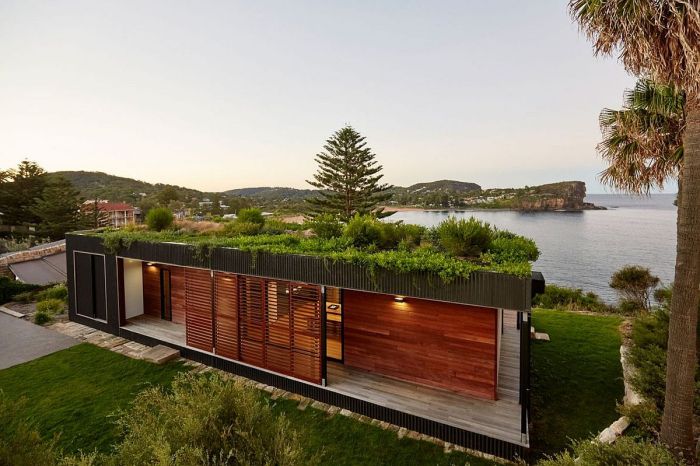
- Green Roof Design: Installing a green roof to improve insulation, reduce stormwater runoff, and provide habitat for wildlife.
Importance of Incorporating Sustainability in Home Design
Integrating sustainable design principles into home construction and renovation projects is crucial for several reasons:
- Environmental Benefits: Sustainable homes reduce energy consumption, water usage, and waste generation, leading to a lower carbon footprint.
- Health and Comfort: Sustainable homes often have better indoor air quality, natural lighting, and thermal comfort, enhancing the well-being of occupants.
- Cost Savings: Energy-efficient features can result in lower utility bills over time, offsetting the initial investment in sustainable design.
- Resilience: Sustainable homes are better equipped to withstand the impacts of climate change and resource scarcity, ensuring long-term durability.
Energy-Efficient Features
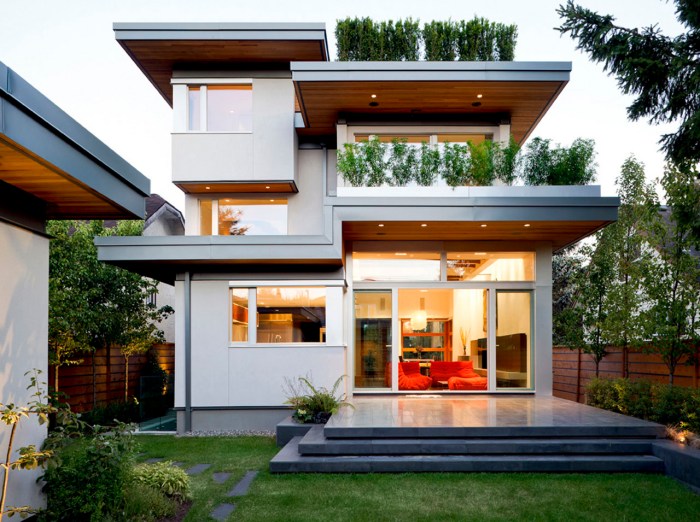
Energy-efficient features play a crucial role in sustainable home design by reducing energy consumption and promoting environmental sustainability. These features not only help homeowners save on energy bills but also contribute to a greener planet. Let’s explore some common energy-efficient features found in sustainable homes and how they benefit both the homeowners and the environment.
Common Energy-Efficient Features
- LED Lighting: LED bulbs use significantly less energy than traditional incandescent bulbs and last much longer, reducing the need for frequent replacements.
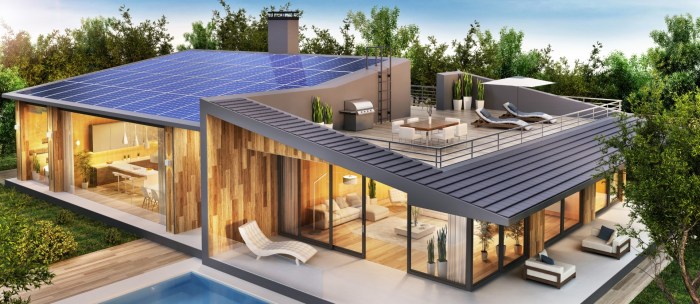
- Solar Panels: Solar panels harness the power of the sun to generate electricity, reducing reliance on fossil fuels and lowering carbon emissions.
- Energy-Efficient Appliances: Energy Star-rated appliances consume less energy compared to standard models, leading to lower electricity bills.
- Proper Insulation: Well-insulated homes retain heat in the winter and cool air in the summer, reducing the need for heating and cooling systems.
- Smart Thermostats: Smart thermostats optimize heating and cooling schedules based on occupancy patterns, saving energy without sacrificing comfort.
Benefits of Renewable Energy Sources
Using renewable energy sources in home design, such as solar or wind power, offers numerous benefits. These sources are sustainable, abundant, and have minimal impact on the environment compared to traditional fossil fuels. By harnessing renewable energy, homeowners can reduce their carbon footprint, lower energy costs in the long run, and contribute to a more sustainable future for generations to come.
Eco-Friendly Materials
When it comes to sustainable home construction, choosing eco-friendly materials is essential to minimize environmental impact and promote a greener lifestyle. By opting for materials that are recycled or reclaimed, homeowners can significantly reduce the amount of waste generated and energy consumed during the production process.
Advantages of Recycled or Reclaimed Materials
Using recycled or reclaimed materials in sustainable home construction offers several advantages. These materials help divert waste from landfills, reduce the need for new raw materials extraction, and lower carbon emissions associated with manufacturing processes. Additionally, recycled or reclaimed materials often have unique aesthetic qualities that add character and charm to a home.
Contributions to a Greener Environment
Choosing sustainable materials for home construction plays a crucial role in fostering a greener environment. By using eco-friendly materials, homeowners can reduce their carbon footprint, conserve natural resources, and support the circular economy. Sustainable materials also promote healthier indoor air quality, creating a more comfortable and environmentally friendly living space for occupants.
Water Conservation
Implementing water-saving techniques in home design is crucial for sustainable living. By reducing water waste, homeowners can contribute to environmental preservation and lower utility costs.
Importance of Water Conservation
Reducing water waste in sustainable homes is essential to minimize the strain on local water sources and reduce the overall environmental impact. Conserving water also helps in lowering energy consumption associated with water treatment and distribution.
Innovative Water Conservation Systems
- Greywater Recycling Systems: These systems capture and treat water from sinks, showers, and laundry for reuse in flushing toilets or irrigation.
- Rainwater Harvesting Systems: Collect rainwater from rooftops and store it in tanks for non-potable uses such as watering gardens or washing cars.
- Dual Flush Toilets: These toilets have two flush options for liquid and solid waste, reducing water usage per flush.
- Drip Irrigation Systems: Provide water directly to plant roots, minimizing evaporation and runoff compared to traditional sprinklers.
Indoor Air Quality
Indoor air quality plays a crucial role in sustainable home design as it directly impacts the health and well-being of the occupants. Poor indoor air quality can lead to respiratory issues, allergies, and other health problems. It is essential to prioritize clean and fresh air within our living spaces.
Ventilation and Air Filtration Systems
Proper ventilation and air filtration systems are key components of maintaining good indoor air quality. Ventilation helps to remove stale air and bring in fresh outdoor air, reducing the concentration of indoor pollutants. Air filtration systems, such as HEPA filters, can effectively capture dust, pollen, and other particles, improving air quality significantly.
Selecting Non-Toxic Materials
When designing a sustainable home, it is crucial to choose non-toxic materials to improve indoor air quality. Opt for paints, finishes, and furnishings that are low in volatile organic compounds (VOCs). Look for materials that are certified as eco-friendly and free from harmful chemicals. By selecting non-toxic materials, you can create a healthier living environment for you and your family.
Passive Design Strategies
Passive design strategies are architectural techniques that maximize natural resources such as sunlight, wind, and shade to create comfortable living spaces while minimizing energy consumption. These strategies are essential in sustainable architecture as they reduce the reliance on mechanical systems for heating, cooling, and ventilation, leading to energy-efficient homes with lower environmental impact.
Passive Solar Heating and Cooling
Passive solar heating and cooling techniques leverage the sun’s energy to heat and cool homes without the need for mechanical systems. This is achieved through features such as large south-facing windows to capture sunlight in winter and overhangs to provide shade in summer. By strategically positioning windows, thermal mass, and insulation, passive solar design can significantly reduce the need for artificial heating and cooling, leading to energy savings and increased comfort for occupants.
- Utilizing thermal mass: Materials like concrete, brick, or tile absorb and store heat during the day, releasing it slowly at night to maintain a consistent indoor temperature.
- Natural ventilation: Cross-ventilation and operable windows allow for the free flow of air, reducing the need for air conditioning in hot weather.
- Shading elements: Overhangs, awnings, and deciduous trees provide shade to prevent overheating in summer while allowing sunlight to enter during winter months.
In conclusion, sustainable design for homes offers a pathway to a more eco-friendly and healthier way of living. By implementing the principles discussed, individuals can create spaces that not only enhance their quality of life but also reduce their environmental impact. Embracing sustainable design is not just a trend but a crucial step towards a more sustainable future for generations to come.
Frequently Asked Questions
What are some common examples of sustainable design principles for homes?
Examples include using renewable energy sources, incorporating energy-efficient features, and choosing eco-friendly materials in construction.
How can water conservation be implemented in home design?
Water-saving techniques like rainwater harvesting, greywater recycling, and efficient irrigation systems can be used to reduce water consumption in sustainable homes.
Why is indoor air quality important in sustainable home design?
Indoor air quality impacts occupants’ health and well-being, and proper ventilation along with non-toxic materials can create a healthier living environment.