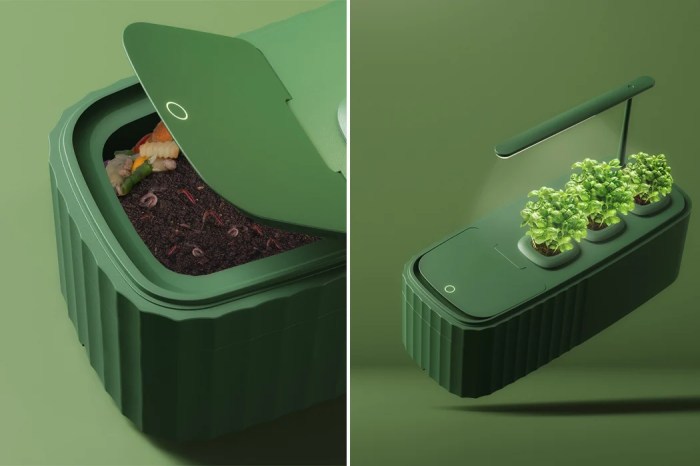
Starting with Sustainable product design trends, this introductory paragraph aims to capture the readers’ attention with a blend of informative and engaging content.
Exploring the core principles, material selection, energy efficiency, and circular economy concepts in sustainable product design trends will provide a comprehensive understanding of the topic.
Sustainable Design Principles
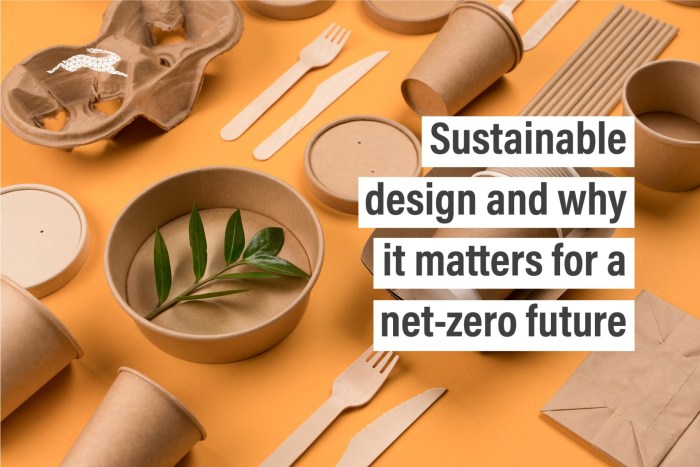
Sustainable design principles are essential guidelines that aim to minimize the environmental impact of products while maximizing their social and economic benefits. By following these principles, designers can create products that are environmentally friendly, socially responsible, and economically viable.
Design for Durability
- Use high-quality materials that are durable and long-lasting.
- Design products that can withstand wear and tear, reducing the need for frequent replacements.
- Consider the product’s lifecycle and ensure it can be repaired, upgraded, or recycled easily.
Use of Recycled Materials
- Incorporate recycled materials into the product design to reduce the demand for virgin resources.
- Choose materials that are recyclable or biodegradable to minimize waste at the end of the product’s life.
- Work with suppliers to source recycled materials and ensure their quality and sustainability.
Energy Efficiency
- Design products that are energy-efficient and minimize energy consumption during use.
- Incorporate renewable energy sources or technologies into the product design to reduce reliance on fossil fuels.
- Consider the energy impact of the manufacturing process and logistics to minimize carbon emissions.
Minimize Waste
- Optimize the design to reduce material waste during production and minimize packaging waste.
- Implement a circular design approach to ensure materials are reused, recycled, or composted at the end of the product’s life.
- Consider the full lifecycle of the product and aim to create a closed-loop system for waste management.
Material Selection for Sustainable Products
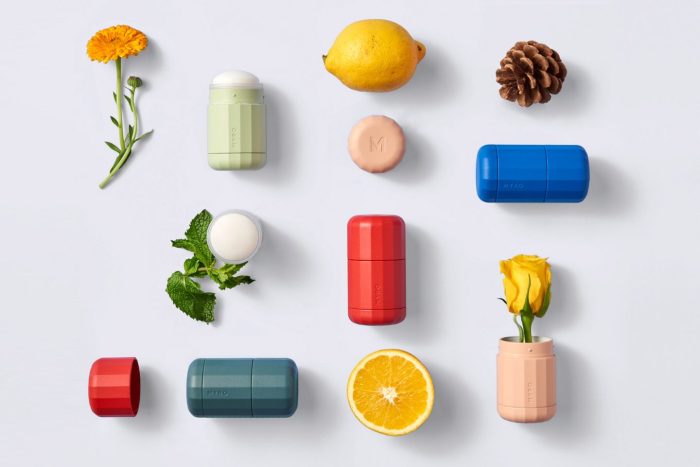
Choosing eco-friendly materials in sustainable product design is crucial for reducing the environmental impact of manufacturing and consumption. By opting for materials that are renewable, recyclable, biodegradable, or non-toxic, designers can contribute to a more sustainable future for our planet.When comparing traditional materials with sustainable alternatives, the environmental impact is significantly lower with eco-friendly options. For example, using recycled plastic instead of virgin plastic reduces energy consumption, greenhouse gas emissions, and waste generation.
Similarly, choosing bamboo or cork over hardwoods helps preserve forests and biodiversity.
Examples of Innovative Sustainable Materials
- Bio-based plastics made from corn, sugarcane, or algae are biodegradable and reduce dependency on fossil fuels.
- Mushroom leather, also known as mycelium, is a sustainable alternative to traditional leather that is cruelty-free and biodegradable.
- Pineapple fiber, derived from pineapple leaves, can be used to create textiles and packaging materials that are compostable and waste-free.
Energy Efficiency and Sustainable Design
Energy efficiency plays a crucial role in sustainable product design by focusing on reducing the energy consumption of a product throughout its lifecycle. By minimizing the energy needed for manufacturing, transportation, use, and disposal, energy-efficient design can significantly decrease a product’s environmental impact.
Role of Energy Efficiency in Sustainable Design
Energy-efficient design aims to optimize the use of energy resources, ensuring minimal waste and maximum efficiency. This can be achieved through various strategies such as incorporating energy-saving technologies, improving insulation, and utilizing renewable energy sources.
Reducing Environmental Footprint through Energy Efficiency
- Implementing energy-efficient lighting solutions can reduce electricity consumption and lower carbon emissions.
- Designing appliances with energy-saving features like automatic shut-off can decrease overall energy usage.
- Utilizing sustainable materials in construction to enhance energy efficiency and reduce the need for heating and cooling.
Examples of Energy-Efficient Products
- Solar-powered chargers for electronic devices that harness renewable energy sources.
- Energy-efficient HVAC systems that optimize heating and cooling in buildings.
- LED light bulbs that use less energy and have a longer lifespan compared to traditional incandescent bulbs.
Circular Economy and Product Lifecycle
The concept of the circular economy in relation to product design focuses on creating products that are designed to be reused, repaired, and recycled instead of being disposed of after use. This approach aims to minimize waste and maximize the value of resources throughout the product lifecycle.
Enhancing Sustainability through Circular Design
Designing products for a circular economy can enhance sustainability by reducing the environmental impact of manufacturing and consumption. By prioritizing longevity, repairability, and recyclability, products can have a longer lifespan, resulting in fewer resources being used and less waste being generated.
Examples of Circular Design Products
- Reusable Water Bottles: These are designed to be durable and long-lasting, reducing the need for single-use plastic bottles.
- Modular Smartphones: These devices are designed with components that can be easily replaced or upgraded, extending their lifespan and reducing electronic waste.
- Recyclable Packaging: Packaging made from recyclable materials can be easily recycled after use, minimizing waste and promoting a closed-loop system.
Concluding the discussion on Sustainable product design trends, it is evident that incorporating sustainable practices is crucial for the future of product design. The emphasis on eco-friendly materials, energy efficiency, and circular economy principles highlights the direction towards a more sustainable and responsible approach to product design.
Question Bank
How can sustainable design principles benefit product design?
By integrating sustainable design principles, products can be created with a focus on longevity, environmental responsibility, and resource efficiency.
What are some examples of innovative sustainable materials used in product design?
Examples include bio-based plastics, recycled metals, and upcycled fabrics, which offer eco-friendly alternatives to traditional materials.
Why is energy efficiency important in sustainable product design?
Energy-efficient design reduces the environmental impact of products by minimizing resource consumption and emissions during manufacturing and use.
How does the circular economy concept contribute to sustainable product design?
Designing products for a circular economy promotes reuse, repair, and recycling, leading to reduced waste and environmental impact throughout the product lifecycle.


