
As Sustainable furniture design takes center stage, this opening passage beckons readers with casual formal language style into a world crafted with good knowledge, ensuring a reading experience that is both absorbing and distinctly original.
In today’s world, the concept of sustainable furniture design has gained significant traction as people strive to create a greener future through their choices in interior decor. This overview delves into the importance of sustainability, the key principles guiding design practices, and the innovative techniques shaping the industry.
Introduction to Sustainable Furniture Design

Sustainable furniture design focuses on creating furniture using eco-friendly materials and production processes that have minimal impact on the environment.
It is essential to incorporate sustainable practices in furniture design to reduce carbon footprint, conserve natural resources, and promote a healthier living environment.
Examples of Materials Used in Sustainable Furniture Design
- Bamboo: A fast-growing and renewable resource that is durable and versatile for furniture production.
- Reclaimed Wood: Salvaged wood from old structures that can be repurposed into unique furniture pieces, reducing the need for cutting down new trees.
- Recycled Plastic: Plastic materials that are recycled and transformed into furniture, preventing plastic waste from polluting the environment.
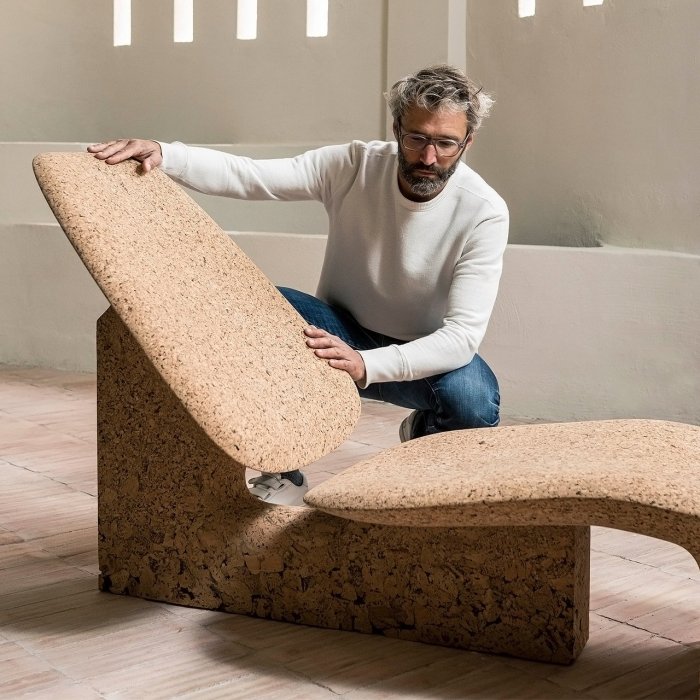
- Cork: Sustainable and biodegradable material that is harvested from the bark of cork oak trees without harming the tree itself.
Principles of Sustainable Design
Sustainable design is guided by several key principles that aim to reduce environmental impact, promote social responsibility, and ensure economic viability. These principles can be applied to furniture design to create products that are environmentally friendly, socially equitable, and economically feasible.
Material Selection
- Traditional furniture design often relies on materials that are not sustainable, such as hardwoods sourced from endangered forests. Sustainable furniture design, on the other hand, focuses on using renewable, recycled, or reclaimed materials.
- By choosing materials with low environmental impact, such as bamboo, reclaimed wood, or recycled metal, designers can reduce the carbon footprint of furniture production.
- Additionally, considering the entire lifecycle of materials, from sourcing to disposal, is crucial in sustainable furniture design.
Energy Efficiency
- Sustainable furniture design emphasizes energy efficiency in production processes, transportation, and use. Designers can reduce energy consumption by optimizing manufacturing techniques, using renewable energy sources, and creating products that require less energy to produce and operate.
- By designing furniture that is durable, repairable, and long-lasting, designers can also reduce the energy required for frequent replacements.
Social Equity
- In sustainable furniture design, considerations for social equity involve fair labor practices, safe working conditions, and support for local communities. Designers should prioritize partnerships with suppliers and manufacturers who uphold ethical standards and provide fair wages to workers.
- By engaging with local artisans and craftsmen, designers can promote traditional skills and support sustainable livelihoods within communities.
Waste Reduction
- Traditional furniture design often leads to significant waste generation during production and disposal. Sustainable furniture design aims to minimize waste through efficient manufacturing processes, recycling initiatives, and designing products for easy disassembly and recycling.
- By implementing circular design principles, such as cradle-to-cradle manufacturing, designers can create furniture that can be reused or recycled at the end of its life cycle.
Eco-Friendly Materials in Furniture Design
When it comes to sustainable furniture design, the choice of materials plays a crucial role in reducing environmental impact. By opting for eco-friendly materials, designers can create furniture that is not only aesthetically pleasing but also environmentally responsible.
Various Eco-Friendly Materials Used
- Bamboo: Bamboo is a fast-growing and renewable resource that can be used in furniture design. It is durable, lightweight, and has a unique aesthetic appeal.
- Reclaimed Wood: Using reclaimed wood from old furniture or buildings reduces the demand for new timber and helps in minimizing deforestation.
- Cork: Cork is a sustainable material harvested from the bark of cork oak trees. It is lightweight, water-resistant, and adds a natural touch to furniture design.
- Recycled Plastic: Repurposing plastic waste into furniture components helps in diverting plastic from landfills and oceans.
Benefits of Using Eco-Friendly Materials
- Reduces Carbon Footprint: Eco-friendly materials require less energy and resources to produce, resulting in lower carbon emissions.
- Promotes Sustainability: By using renewable resources and recycled materials, sustainable furniture design promotes environmental sustainability.
- Healthier Indoor Environment: Eco-friendly materials are often free from toxic chemicals, improving indoor air quality and the well-being of occupants.
Impact of Material Choice on Sustainability
The choice of materials directly impacts the sustainability of furniture. Using eco-friendly materials helps in conserving natural resources, reducing waste, and minimizing environmental harm caused by conventional manufacturing processes. Designers have the power to make a positive impact by selecting materials that align with sustainable practices.
Innovative Techniques in Sustainable Furniture Design
When it comes to sustainable furniture design, innovative techniques play a crucial role in creating environmentally friendly and aesthetically pleasing pieces. Designers and companies are constantly exploring new methods to reduce waste, conserve resources, and minimize the environmental impact of furniture production.
Upcycling and Repurposing
One innovative technique in sustainable furniture design is upcycling and repurposing materials. This involves taking discarded or unused items and transforming them into new furniture pieces. By giving new life to old materials, designers can reduce the need for new resources and minimize waste.
Modular Design
Modular design is another technique that is gaining popularity in sustainable furniture design. This approach involves creating furniture pieces that can be easily disassembled and reassembled, allowing for easy repairs, upgrades, and customization. Modular furniture reduces the need for new purchases and extends the lifespan of products.
3D Printing
Advancements in technology, such as 3D printing, have revolutionized sustainable furniture design. Designers can now create intricate and customized pieces using sustainable materials like bioplastics. 3D printing also reduces waste by only using the exact amount of material needed for production.
In conclusion, Sustainable furniture design not only offers aesthetically pleasing pieces but also contributes to a more environmentally conscious approach in the realm of interior design. By embracing eco-friendly materials and innovative techniques, the future of furniture design looks promising as we continue to prioritize sustainability in every aspect of our lives.
Questions Often Asked
What are some common eco-friendly materials used in sustainable furniture design?
Bamboo, reclaimed wood, recycled metal, and organic cotton are some popular choices for eco-friendly materials in sustainable furniture design.
How does the choice of materials impact the sustainability of furniture?
The choice of materials directly affects the environmental footprint of furniture. Opting for sustainable materials reduces resource depletion and minimizes harmful emissions during production.
Can traditional furniture design practices be adapted to become more sustainable?
Absolutely. By integrating sustainable design principles like using recycled materials, reducing waste, and sourcing locally, traditional furniture design practices can be transformed to align with sustainability goals.


