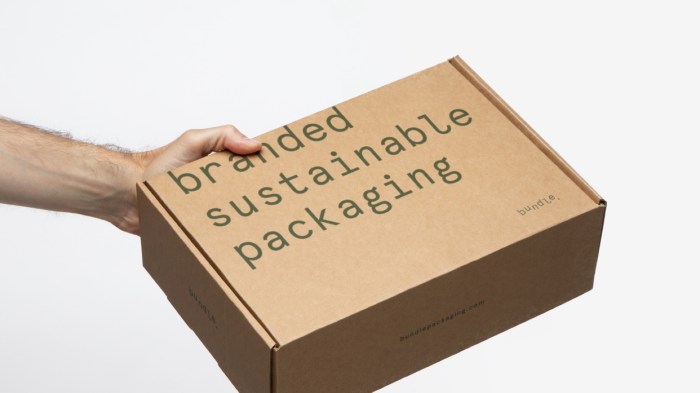
With Sustainable packaging design at the forefront, this paragraph opens a window to an amazing start and intrigue, inviting readers to embark on a storytelling journey filled with unexpected twists and insights.
As the world shifts towards more environmentally conscious practices, sustainable packaging design plays a crucial role in shaping a greener future. From materials to financial impacts, this overview delves into the essentials of creating eco-friendly packaging solutions.
Sustainable Packaging Design
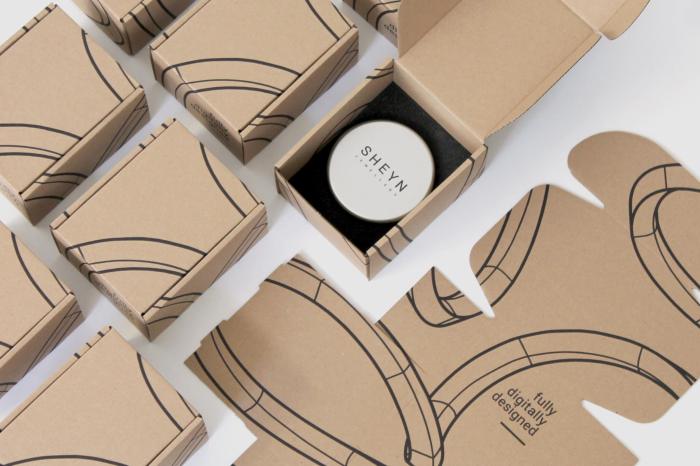
Sustainable packaging design focuses on creating packaging solutions that have a reduced impact on the environment throughout their lifecycle. This involves using materials that are eco-friendly, recyclable, biodegradable, or reusable.
Materials Used in Sustainable Packaging Design
- Recycled paper and cardboard: These materials can be easily recycled and have a lower environmental footprint compared to virgin paper.
- Biodegradable plastics: Made from plant-based sources, these plastics break down naturally, reducing pollution and waste.
- Mushroom packaging: Utilizing mycelium, the root structure of mushrooms, this packaging is biodegradable and compostable.
- Reusable packaging: Materials like glass, metal, and fabric can be used multiple times, reducing the need for single-use packaging.
Importance of Sustainable Packaging Design
Sustainable packaging design plays a crucial role in reducing the environmental impact of products. By using materials that are less harmful to the planet, it helps in conserving resources, reducing waste, and lowering carbon emissions.
Benefits for Businesses
- Cost savings: Sustainable packaging often leads to reduced material usage and waste disposal costs, resulting in financial savings for businesses.
- Brand reputation: Consumers are increasingly looking for eco-friendly products, and adopting sustainable packaging can enhance a company’s reputation and attract environmentally conscious customers.
- Regulatory compliance: With stricter regulations on packaging waste and environmental impact, businesses that implement sustainable packaging design can stay ahead of compliance requirements.
Principles of Sustainable Design
Sustainable design is an approach that aims to reduce the environmental impact of products and systems by considering the entire lifecycle, from production to disposal. In today’s context, where climate change and resource depletion are pressing issues, sustainable design plays a crucial role in promoting responsible consumption and production practices.
Examples of Sustainable Design Practices
- Renewable energy systems in buildings to reduce reliance on fossil fuels.
- Upcycling of materials to create new products and minimize waste.
- Designing products for disassembly and recyclability to facilitate the recycling process.
Applying Sustainable Design Principles to Packaging
- Using biodegradable or compostable materials for packaging to reduce environmental impact.
- Optimizing packaging design to minimize material usage and maximize space efficiency during transportation.
- Implementing reusable packaging solutions to reduce single-use plastics and promote a circular economy.
The Role of Sustainable Design in Promoting a Circular Economy
Sustainable design plays a key role in promoting a circular economy by focusing on reducing waste, extending product lifespan, and encouraging resource efficiency. By designing products and packaging with sustainability in mind, we can contribute to the creation of a closed-loop system where materials are reused, recycled, or regenerated, rather than ending up in landfills. This shift towards a circular economy is essential for achieving long-term environmental sustainability and reducing the impact of our consumption patterns.
Exploring the realm of sustainable packaging design reveals not only its environmental benefits but also its financial advantages for businesses. By embracing innovative and eco-friendly solutions, companies can pave the way for a more sustainable future while reaping economic rewards.
Questions Often Asked
What materials are commonly used in sustainable packaging design?
Sustainable packaging often utilizes materials like recycled paper, biodegradable plastics, and compostable materials to reduce environmental impact.
How does sustainable packaging design benefit businesses financially?
Implementing sustainable packaging design can lead to cost savings through reduced material usage and waste management expenses, as well as attracting environmentally conscious consumers.