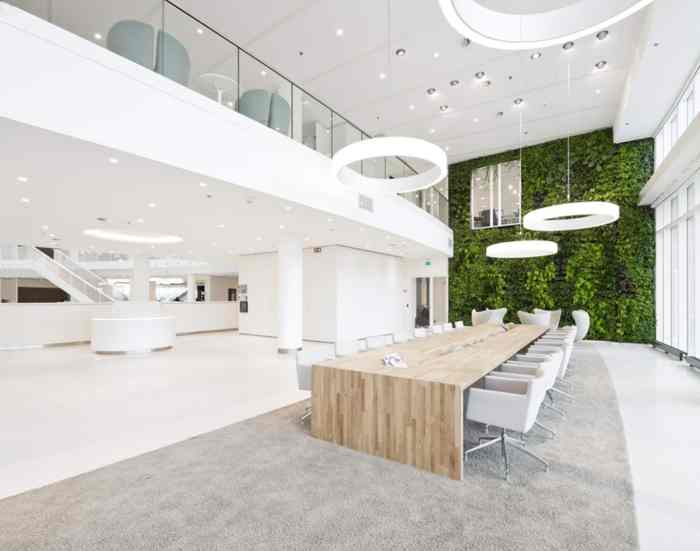
Sustainable design for small spaces sets the stage for this enthralling narrative, offering readers a glimpse into a story that is rich in detail with casual formal language style and brimming with originality from the outset.
Exploring sustainable design practices, space optimization strategies, energy efficiency tips, and green technologies tailored for compact living areas, this discussion aims to inspire and inform readers on creating environmentally conscious and functional small spaces.
Sustainable design
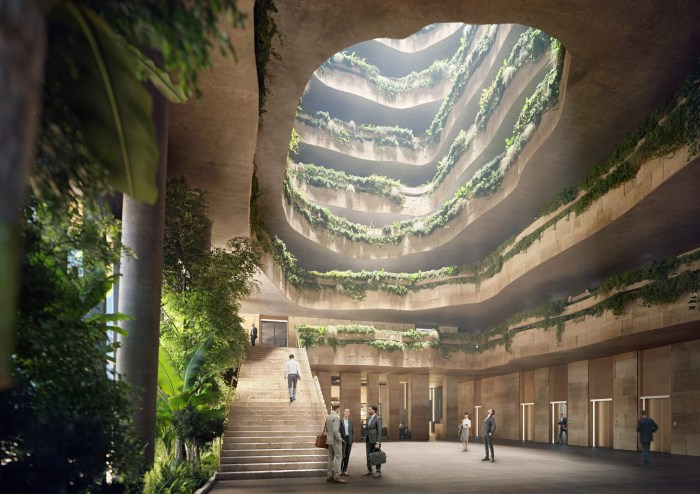
Sustainable design focuses on creating spaces that minimize negative impacts on the environment while maximizing efficiency and resourcefulness. This approach is crucial in architecture and interior design to promote eco-friendly practices and reduce waste.
Examples of sustainable materials commonly used in small space design
- Bamboo: A fast-growing and renewable material that is durable and versatile for various design elements.
- Recycled glass: Utilizing glass from recycled sources helps reduce the energy needed for production and promotes recycling.
- Cork: A sustainable material harvested from the bark of cork oak trees, known for its durability and thermal insulation properties.
Benefits of incorporating sustainable design practices in small spaces
- Reduced environmental impact: By using sustainable materials and energy-efficient designs, small spaces can contribute to a greener planet.
- Cost-effectiveness: Sustainable practices often lead to reduced energy consumption and lower utility bills in the long run.
- Healthier living environment: Non-toxic materials and improved air quality in sustainable designs promote better health and well-being for occupants.
Space optimization
When designing for small spaces, maximizing efficiency is key to creating a comfortable and functional living area. One strategy to achieve this is through thoughtful space optimization techniques that make the most of every square foot available.
Multifunctional furniture
One of the most effective ways to optimize space in a small living area is to incorporate multifunctional furniture pieces. These pieces serve dual purposes, such as a sofa that can be converted into a bed, a coffee table with storage compartments, or a dining table that can be extended or folded when not in use. By choosing furniture that can perform multiple functions, you can save space and reduce the need for additional pieces.
Innovative storage solutions
Another important aspect of space optimization in small areas is finding innovative storage solutions that maximize vertical and hidden spaces. This can include utilizing wall-mounted shelves, under-bed storage containers, built-in cabinets, and modular storage systems. By thinking creatively about storage options, you can keep your space organized and clutter-free without sacrificing style or functionality.
Energy efficiency
Energy-efficient design plays a crucial role in small spaces as it helps reduce the overall energy consumption, leading to cost savings and a smaller environmental footprint.
Natural Lighting and Ventilation
Utilizing natural lighting and ventilation is key in sustainable small space design. This not only reduces the need for artificial lighting and air conditioning but also creates a healthier indoor environment.
- Maximize natural light by strategically placing windows, skylights, and glass doors to allow sunlight to penetrate deep into the space.
- Use light-colored walls and surfaces to reflect light and brighten up the room.
- Install window treatments that can control the amount of light entering the space and provide privacy when needed.
- Promote natural ventilation by incorporating operable windows and vents to allow fresh air to circulate throughout the space.
- Consider using ceiling fans to improve air circulation and reduce the reliance on air conditioning.
Reducing Energy Consumption
There are several design choices you can make to reduce energy consumption in small spaces:
- Invest in energy-efficient appliances and lighting fixtures that consume less power.
- Opt for smart thermostats that can regulate temperature settings based on occupancy and time of day.
- Improve insulation to maintain indoor temperatures and reduce the load on heating and cooling systems.
- Consider renewable energy sources such as solar panels to generate electricity and reduce reliance on the grid.
- Implement energy-saving practices like turning off lights when not in use and unplugging electronics when not needed.
Green technologies
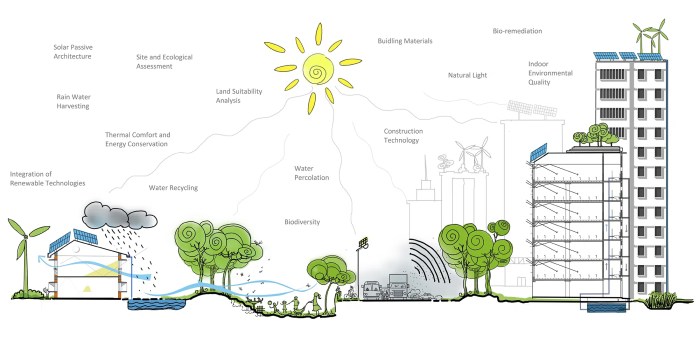
When it comes to sustainable small space design, incorporating green technologies is essential for maximizing energy efficiency and reducing environmental impact. These eco-friendly technologies not only help in conserving resources but also contribute to creating a healthier living environment.
Integration of smart home systems for energy conservation
- Smart Thermostats: These devices help regulate temperature settings based on occupancy, leading to significant energy savings.
- Solar Panels: Installing solar panels on rooftops can harness renewable energy to power small spaces efficiently.
- Energy-Efficient Appliances: Using appliances with high energy star ratings can minimize electricity consumption.
Examples of sustainable technologies in small space design
- LED Lighting: LED bulbs are energy-efficient and have a longer lifespan compared to traditional incandescent bulbs.
- Greywater Recycling Systems: These systems collect and filter wastewater from sinks and showers for reuse in activities like watering plants.
- Green Roofs: Incorporating green roofs with vegetation helps in reducing heat absorption and improving insulation in small spaces.
In conclusion, Sustainable design for small spaces presents a roadmap to harmoniously blend eco-consciousness with practicality, proving that limited space does not equate to limited creativity when it comes to sustainable living.
FAQ Summary
How can sustainable design benefit small spaces?
By utilizing eco-friendly materials and energy-efficient practices, sustainable design can maximize space utilization while minimizing environmental impact.
What are some examples of innovative storage solutions for small spaces?
Examples include hidden storage compartments in furniture, wall-mounted shelves, and collapsible organizers to optimize space efficiency.
How does natural lighting contribute to sustainable small space design?
Natural lighting reduces the need for artificial lighting, leading to energy savings and creating a more eco-friendly living environment.


