Embark on a journey into the realm of sustainable design, where innovation meets environmental consciousness in a harmonious blend. Discover the intricate balance between creativity and sustainability that shapes our modern world.
Unlock the secrets behind sustainable design and witness how it revolutionizes industries and communities alike.
Introduction to Sustainable Design
Sustainable design is a holistic approach to creating products, buildings, or systems that minimize environmental impact, conserve resources, and contribute to a healthier planet for future generations. It involves considering the entire lifecycle of a product or project, from design and production to use and disposal.
Examples of Sustainable Design Practices
- Using recycled materials in construction projects to reduce waste and conserve resources.
- Designing energy-efficient appliances and buildings to minimize energy consumption and reduce greenhouse gas emissions.
- Implementing water-saving techniques in landscaping and irrigation systems to preserve water resources.
- Creating eco-friendly packaging solutions to reduce plastic waste and promote recycling.
The Importance of Sustainable Design
Sustainable design is crucial in today’s world as we face environmental challenges such as climate change, resource depletion, and pollution. By embracing sustainable design practices, we can reduce our ecological footprint, protect natural ecosystems, and create a more sustainable future for all.
Principles of Sustainable Design
Sustainable design is guided by several key principles that aim to minimize environmental impact, promote social equity, and ensure economic feasibility.
Environmental Responsibility
- Reducing energy consumption and carbon footprint through efficient design and use of renewable resources.
- Minimizing waste generation and maximizing material recycling and reuse.
- Promoting biodiversity and protecting natural ecosystems through thoughtful site planning.
Social Equity
- Considering the needs and well-being of all stakeholders, including communities and future generations.
- Ensuring safe and healthy environments for occupants, workers, and the surrounding community.
- Fostering inclusivity, diversity, and accessibility in design solutions.
Economic Feasibility
- Balancing upfront costs with long-term benefits to create economically viable projects.
- Optimizing resource efficiency to reduce operational and maintenance expenses over the project lifecycle.
- Supporting local economies and promoting sustainable practices within the supply chain.
Comparison with Traditional Design Approaches
Traditional design approaches often prioritize aesthetics and functionality without considering the long-term impact on the environment and society. In contrast, sustainable design integrates environmental, social, and economic considerations from the outset, leading to more holistic and responsible solutions.
Role of Sustainability in Shaping Design Decisions
Sustainability plays a crucial role in shaping design decisions by influencing choices related to materials, energy sources, construction methods, and overall project planning. Designers must balance aesthetic appeal with environmental responsibility and social impact to create truly sustainable and resilient built environments.
Benefits of Sustainable Design
Embracing sustainable design offers a wide array of benefits that extend beyond just environmental considerations. Let’s explore the positive impacts it can have on our planet, businesses, and communities.
Environmental Benefits
- Reduction in carbon footprint through energy efficiency and use of renewable resources.
- Conservation of natural resources such as water, forests, and minerals.
- Decrease in pollution and waste generation, leading to cleaner air and water.
- Promotion of biodiversity and protection of ecosystems.
Economic Advantages for Businesses
- Cost savings from reduced energy consumption and waste management expenses.
- Innovation and competitive advantage in the market through sustainable product offerings.
- Improved brand image and customer loyalty from environmentally conscious consumers.
- Regulatory compliance and risk mitigation in the face of changing environmental policies.
Social Impacts on Communities
- Enhanced quality of life with access to green spaces, clean air, and safe environments.
- Creation of green jobs and economic opportunities in sustainable industries.
- Promotion of social equity and inclusion through community engagement in sustainable initiatives.
- Resilience to climate change and natural disasters through sustainable infrastructure and urban planning.
Strategies for Implementing Sustainable Design
Implementing sustainable design in projects requires a thoughtful approach that considers environmental, social, and economic impacts. Here are some strategies to integrate sustainable design successfully:
1. Design Charrettes
Design charrettes involve collaborative brainstorming sessions where architects, engineers, clients, and other stakeholders come together to explore sustainable design strategies for a project. This approach allows for diverse perspectives and innovative ideas to be incorporated into the design process.
2. Life Cycle Assessment
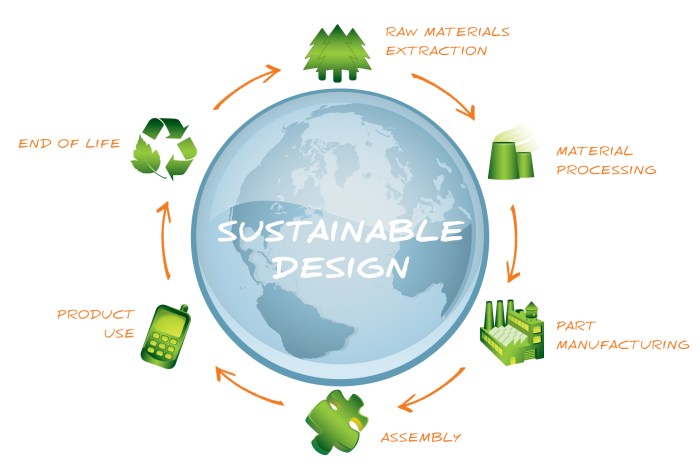
Conducting a life cycle assessment helps evaluate the environmental impacts of a building or product throughout its entire life cycle, from raw material extraction to disposal. This analysis helps identify opportunities to reduce resource consumption, waste generation, and carbon emissions.
3. Passive Design Strategies
Integrating passive design strategies such as natural ventilation, daylighting, and thermal mass can significantly reduce energy consumption in buildings. By optimizing the building’s orientation, layout, and envelope design, passive strategies can enhance occupant comfort while minimizing reliance on mechanical systems.
Examples of Successful Sustainable Design Implementations:
- The Bullitt Center in Seattle, Washington, is a commercial office building that generates more energy than it consumes through solar panels and advanced energy-efficient systems.
- The High Line park in New York City transformed an abandoned elevated railway into a vibrant public space that incorporates green infrastructure, native plantings, and sustainable materials.
Challenges and Solutions in Implementing Sustainable Design Principles:
Challenge
Cost Implications – Sustainable design features may initially require a higher upfront investment, leading to concerns about project feasibility. Solution: Conducting cost-benefit analyses and exploring financing options such as green loans or incentives can help offset the initial costs and demonstrate long-term savings.
Challenge
Lack of Awareness and Expertise – Design teams may lack the knowledge and skills required to implement sustainable design effectively. Solution: Providing training and education on sustainable design practices, engaging with sustainability consultants, and collaborating with experienced green building professionals can address knowledge gaps and ensure successful implementation.
In conclusion, sustainable design emerges as a beacon of hope for a greener future, where thoughtful creativity paves the way for a more harmonious relationship between humanity and the environment. Explore the endless possibilities that sustainable design offers, and be inspired to make a positive impact through your creative endeavors.
Question Bank
What are the key principles of sustainable design?
The key principles include minimizing environmental impact, promoting social responsibility, and ensuring economic viability.
How does sustainable design differ from traditional design approaches?
Sustainable design focuses on long-term environmental and social impacts, whereas traditional design may prioritize aesthetics or short-term gains.
What are some successful strategies for implementing sustainable design?
Successful strategies include using eco-friendly materials, optimizing energy efficiency, and involving stakeholders in the design process.