As Future of sustainable design takes center stage, this opening passage beckons readers into a world crafted with good knowledge, ensuring a reading experience that is both absorbing and distinctly original.
Exploring the realms of sustainable design unveils a landscape where innovation meets environmental stewardship, paving the way for a more sustainable future.
Definition of Sustainable Design
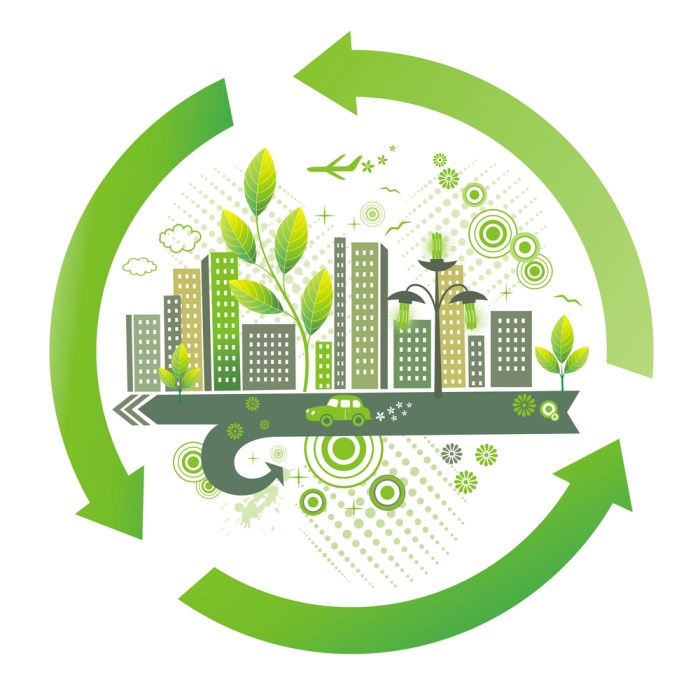
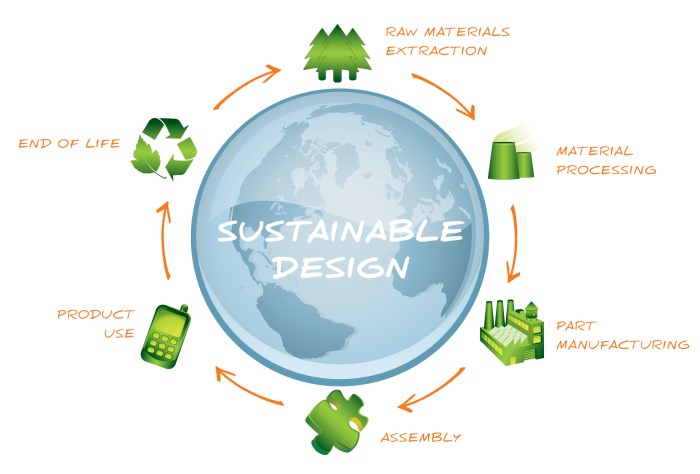
Sustainable design is an approach to creating products, buildings, and systems that consider environmental, social, and economic impacts throughout their lifecycle. It aims to minimize negative effects on the environment, conserve resources, and promote a healthier and more equitable society.
Significance of Sustainable Design
Sustainable design goes beyond traditional design practices by prioritizing long-term sustainability over short-term gains. Instead of focusing solely on aesthetics or functionality, sustainable design integrates principles of environmental stewardship, social responsibility, and economic viability.
- Using renewable materials: Sustainable design often involves using materials that can be replenished, recycled, or reused, reducing the reliance on finite resources.
- Energy efficiency: Designing with energy-efficient systems and technologies can reduce energy consumption and minimize greenhouse gas emissions.
- Waste reduction: Sustainable design aims to minimize waste generation during production, use, and disposal stages, promoting a circular economy model.
- Biophilic design: Incorporating elements of nature into the built environment can improve human well-being and connection to the natural world.
Importance of Sustainable Design
Implementing sustainable design is crucial in today’s world to address environmental challenges and promote a more sustainable future. By incorporating eco-friendly practices and materials, sustainable design offers a range of benefits that positively impact both the environment and society.Sustainable design plays a significant role in reducing the carbon footprint and minimizing waste generation. Through the use of renewable energy sources, energy-efficient systems, and recycled materials, sustainable design helps lower greenhouse gas emissions and conserve natural resources.
This proactive approach to environmental conservation is essential in combating climate change and preserving the planet for future generations.
Environmental Benefits of Sustainable Design
- Reduction of carbon emissions through energy-efficient practices
- Conservation of natural resources by using recycled materials
- Promotion of biodiversity and protection of ecosystems
Impact on Communities and Society
- Improvement of air and water quality for healthier living conditions
- Creation of green spaces and sustainable infrastructure for enhanced quality of life
- Empowerment of local economies through job creation in the green sector
Examples of Successful Sustainable Design Projects
- The High Line in New York City transformed an abandoned railway into a vibrant public park, promoting green spaces and community engagement.
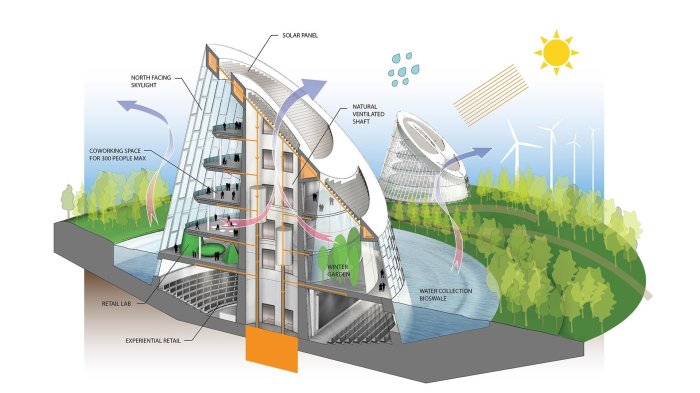
- The Bullitt Center in Seattle showcases a net-zero energy building design, demonstrating the potential for sustainable architecture to reduce energy consumption and environmental impact.
- The Masdar City project in Abu Dhabi focuses on sustainable urban planning and renewable energy integration to create a model city for sustainable living.
Innovations in Sustainable Design
As sustainable design continues to evolve, innovations in technology and materials play a crucial role in shaping the future of environmentally friendly practices. These advancements not only enhance the efficiency of sustainable design but also broaden the possibilities for creating more eco-friendly solutions across various industries.
Latest Technologies in Sustainable Design
- Integration of Artificial Intelligence (AI) for optimizing energy consumption and building performance.
- Development of smart materials that can self-regulate temperature and lighting in buildings.
- Utilization of 3D printing technology to create sustainable and customizable architectural designs with minimal waste.
Innovative Materials for Sustainable Design
- Recycled and upcycled materials such as reclaimed wood, glass, and metal for construction and interior design projects.
- Bio-based materials like bamboo, cork, and hemp that have a lower environmental impact compared to traditional materials.
- Carbon-negative materials that actively remove carbon dioxide from the atmosphere, contributing to a net reduction in greenhouse gas emissions.
Examples of Sustainable Design Solutions
- Green roofs and living walls that improve insulation, reduce heat island effect, and promote biodiversity in urban areas.
- Solar-powered transportation systems like electric buses and bikes that reduce reliance on fossil fuels and lower carbon emissions.
- Circular economy practices that prioritize resource efficiency, waste reduction, and product recycling to create a closed-loop system.
Challenges and Solutions in Sustainable Design
Implementing sustainable design practices comes with its own set of challenges that can hinder the progress of projects. However, identifying these challenges and implementing effective solutions can lead to successful sustainable design implementations.
Common Challenges in Sustainable Design
- Lack of awareness and understanding among stakeholders about the benefits of sustainable design.
- Higher initial costs associated with sustainable materials and technologies.
- Difficulty in finding skilled professionals with expertise in sustainable design.
- Resistance to change from traditional design practices.
Strategies to Overcome Obstacles in Sustainable Design Projects
- Educating stakeholders about the long-term benefits and cost savings of sustainable design.
- Conducting life cycle cost analyses to demonstrate the financial advantages of sustainable materials and technologies over time.
- Providing training and development opportunities for professionals to enhance their skills in sustainable design.
- Incorporating sustainable design principles gradually to ease the transition from traditional practices.
Case Studies of Successful Sustainable Design Implementations
- The Bullitt Center in Seattle, known as the greenest commercial building in the world, showcases how sustainable design can be implemented effectively despite initial cost challenges.
- The Edge in Amsterdam, a highly sustainable office building, demonstrates how innovative design strategies can overcome traditional obstacles in sustainable construction.
Future Trends in Sustainable Design
As sustainable design continues to gain momentum, it is essential to look ahead and predict the trends that will shape the future of design practices. These upcoming trends are crucial in meeting the changing environmental needs and ensuring a more sustainable future for all.
Integration of Biophilic Design
The integration of biophilic design principles, which focus on incorporating natural elements into the built environment, is expected to become more prevalent in sustainable design. This trend aims to improve human well-being and connection to nature while reducing the ecological footprint of buildings.
Advancements in Material Innovation
With the increasing demand for sustainable materials, we can expect to see significant advancements in material innovation. This includes the development of new materials that are renewable, recyclable, and have a minimal impact on the environment throughout their lifecycle.
Emphasis on Circular Design Practices
Circular design practices, which prioritize the reuse, recycling, and repurposing of products and materials, will continue to be a key trend in sustainable design. This approach aims to create a closed-loop system that minimizes waste and promotes a more sustainable way of living.
Embracing the challenges and triumphs of sustainable design, this discussion illustrates the path towards a more eco-conscious and harmonious design ethos, promising a brighter and greener future for all.
FAQ Summary
What are some common challenges in sustainable design projects?
Common challenges include high initial costs, lack of awareness, and resistance to change. Implementing sustainable design requires a shift in mindset and practices.
How is sustainable design different from traditional design?
Sustainable design focuses on minimizing environmental impact, using eco-friendly materials, and considering long-term sustainability, unlike traditional design that may prioritize aesthetics and cost over ecological concerns.
What are some upcoming trends in sustainable design?
Future trends include the rise of biophilic design, increased use of renewable energy sources, and the integration of smart technologies to enhance sustainability efforts.