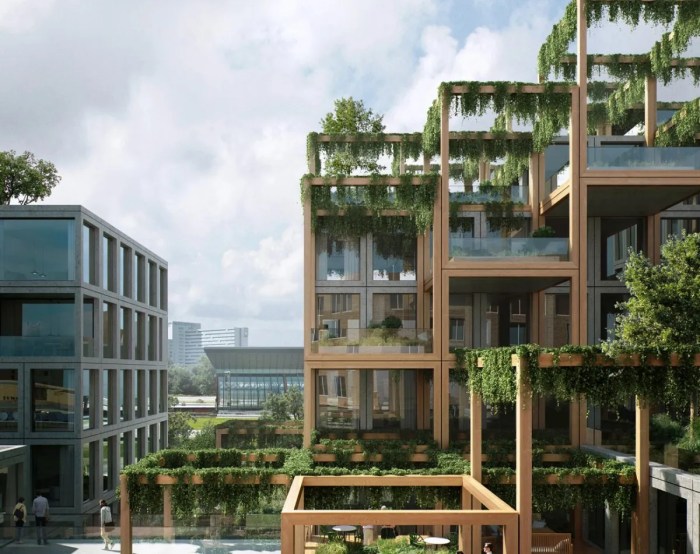
Embark on a journey through the realm of Sustainable design in architecture, where innovative strategies shape the future of our built environment and leave a lasting impact on communities worldwide.
Explore the key elements, benefits, challenges, and considerations that define this critical aspect of architectural design.
Sustainable design in architecture
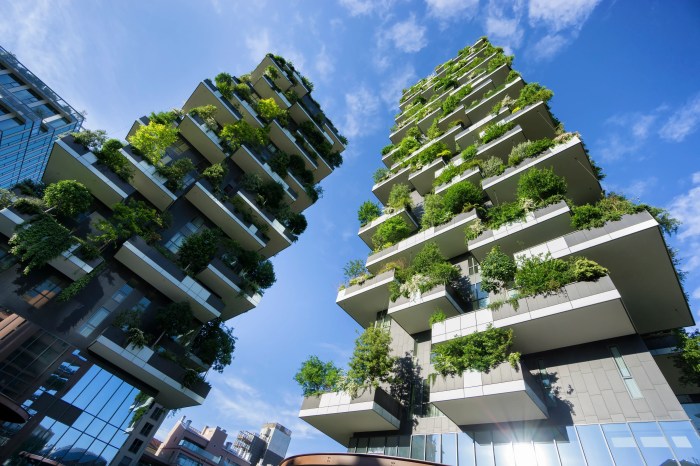
Sustainable design in architecture focuses on creating buildings and structures that minimize their environmental impact while maximizing efficiency and resourcefulness. It aims to reduce energy consumption, use eco-friendly materials, and promote a healthy environment for occupants.
Examples of sustainable design strategies:
- Integration of passive solar design to maximize natural light and heat
- Utilization of green roofs and living walls to improve insulation and reduce stormwater runoff
- Incorporation of recycled materials and sustainable resources in construction
- Implementation of energy-efficient systems like solar panels and geothermal heating
Comparison with traditional design principles:
- Sustainable design prioritizes environmental responsibility, while traditional design may focus more on aesthetics and cost efficiency.
- Sustainable design considers long-term impact and lifecycle assessment, whereas traditional design may overlook these aspects.
- Sustainable design promotes renewable energy sources and efficient building techniques, unlike traditional design that may rely heavily on non-renewable resources.
Elements of sustainable design
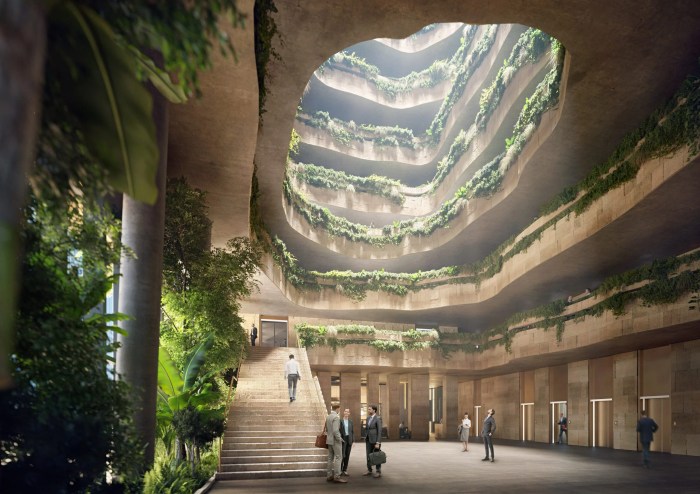
Sustainable design in architecture involves key elements that contribute to the overall sustainability of a building. These elements focus on reducing environmental impact, conserving resources, and promoting energy efficiency.
Role of materials and construction techniques
Materials and construction techniques play a crucial role in sustainable architecture. Using recycled or renewable materials, such as bamboo, reclaimed wood, or recycled steel, can help reduce the carbon footprint of a building. Additionally, implementing efficient construction techniques that minimize waste and energy consumption is essential for sustainable design.
Significance of energy-efficient systems
Energy-efficient systems are vital in sustainable design as they help reduce energy consumption and lower carbon emissions. Incorporating features like solar panels, geothermal heating and cooling, and energy-efficient lighting can significantly decrease a building’s environmental impact and contribute to long-term sustainability.
Benefits of sustainable design in architecture
Implementing sustainable design in architectural projects offers a wide range of benefits that go beyond just the environmental aspect. Let’s explore the various advantages it brings to the table.
Environmental benefits of sustainable design
- Reduction of carbon footprint: Sustainable architecture focuses on minimizing energy consumption and using renewable resources, which helps in reducing carbon emissions and mitigating climate change.
- Conservation of natural resources: By incorporating eco-friendly materials and efficient design strategies, sustainable buildings contribute to the conservation of natural resources such as water and timber.
- Promotion of biodiversity: Sustainable design encourages the integration of green spaces and habitats within urban environments, promoting biodiversity and creating healthier ecosystems.
Economic advantages of sustainable architecture
- Long-term cost savings: While the initial investment in sustainable design may be higher, the operational and maintenance costs of a green building are significantly lower over its lifespan, resulting in substantial savings.
- Incentives and rebates: Many governments and organizations offer financial incentives, tax benefits, and rebates for implementing sustainable design practices, making it a financially attractive option for developers and homeowners.
- Increased property value: Sustainable buildings are in high demand due to their energy efficiency and environmental benefits, leading to higher property values and better resale opportunities.
Social impact of sustainable design on communities and inhabitants
- Improved quality of life: Sustainable buildings prioritize occupant health and comfort by enhancing indoor air quality, natural lighting, and thermal comfort, leading to a better quality of life for residents.
- Community engagement: Sustainable design often involves community participation in the planning and development process, fostering a sense of ownership and pride among residents in creating environmentally responsible spaces.
- Equity and accessibility: Sustainable architecture promotes social equity by ensuring access to essential resources and amenities for all community members, regardless of socio-economic status.
Challenges and Considerations
When it comes to incorporating sustainable design practices in architecture, there are several common challenges that architects and designers face. These challenges can range from technical constraints to financial limitations, all of which need to be carefully considered in order to create truly sustainable buildings.
Importance of Site Selection and Orientation
Site selection and orientation play a crucial role in sustainable building design. By carefully choosing the location of a building and orienting it in the right direction, architects can maximize natural light, ventilation, and energy efficiency. This not only reduces the need for artificial lighting and heating, but also enhances the overall comfort and well-being of the occupants.
Analysis of Lifecycle Assessment
When it comes to sustainable architecture, conducting a lifecycle assessment is essential to evaluate the environmental impact of a building from cradle to grave. This assessment helps architects understand the energy consumption, carbon emissions, and overall sustainability of a building throughout its lifespan. By considering the lifecycle assessment, architects can make informed decisions about materials, construction methods, and design strategies to minimize environmental impact and create buildings that are truly sustainable.
In conclusion, Sustainable design in architecture not only promises a greener and more efficient approach to building but also fosters a deeper connection between human habitats and the natural world, paving the way for a sustainable future.
FAQ Guide
What are some innovative sustainable design strategies used in architecture projects?
Examples include passive solar design, green roofs, and use of sustainable materials like bamboo and recycled steel.
How does sustainable design impact communities?
Sustainable design fosters healthier and more sustainable living environments, promoting community well-being and reducing ecological footprint.
What challenges are faced when incorporating sustainable design practices in architecture?
Common challenges include higher initial costs, limited availability of sustainable materials, and the need for specialized expertise.


