How to implement sustainable design sets the stage for this enthralling narrative, offering readers a glimpse into a story that is rich in detail and brimming with originality from the outset. Sustainable design is not just a trend but a necessary approach in today’s world, driving innovation and positive change across various industries.
As we delve into the key factors, strategies, and benefits of sustainable design, you’ll uncover a world where creativity meets responsibility, paving the way for a more sustainable future.
Introduction to Sustainable Design
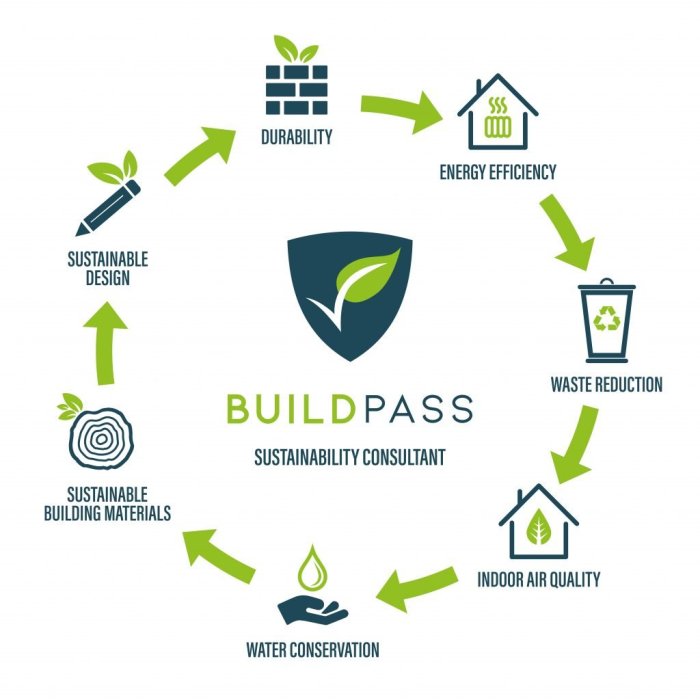
Sustainable design is a design approach that aims to create products, buildings, and systems that are environmentally friendly, socially responsible, and economically viable. It focuses on minimizing the negative impact on the environment, conserving resources, and promoting a healthy and equitable society.
Principles of Sustainable Design
- Use of renewable materials and energy sources
- Minimization of waste and emissions
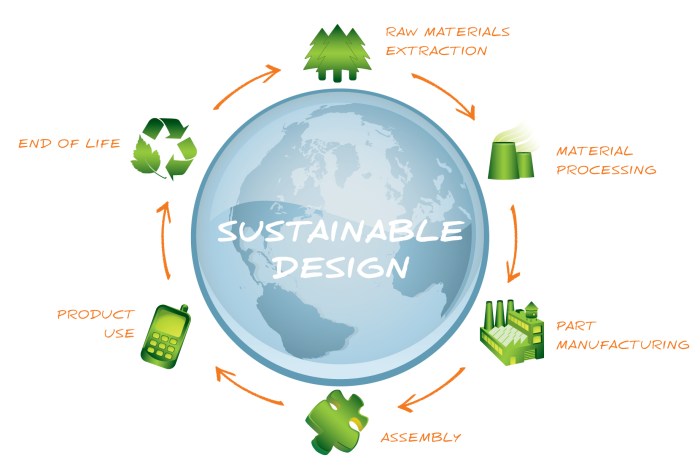
- Consideration of the entire life cycle of a product or system
- Promotion of biodiversity and ecosystem health
Examples of Successful Sustainable Design Projects
- Apple Park in Cupertino, California – A campus powered by 100% renewable energy sources and designed with sustainable materials.
- The Edge in Amsterdam, Netherlands – A smart building that uses solar panels, rainwater harvesting, and energy-efficient systems to reduce its environmental impact.
- The High Line in New York City, USA – A park built on a historic elevated railway line, incorporating green infrastructure to improve the surrounding environment.
Factors to Consider in Implementing Sustainable Design
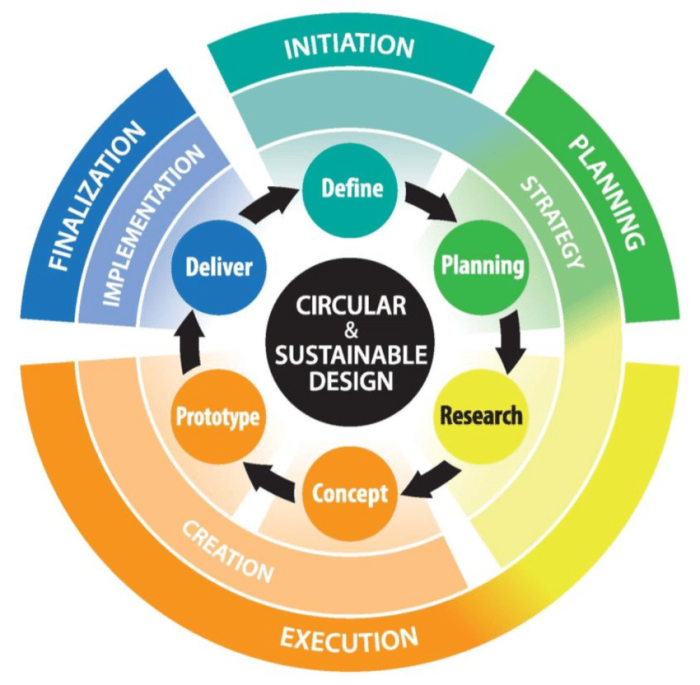
When implementing sustainable design in a project, there are several key factors to consider to ensure environmental responsibility and long-term benefits. One of the crucial aspects is the selection of materials, which plays a significant role in the sustainability of the design and its impact on the environment.
Role of Materials Selection
Materials selection is a critical factor in sustainable design as it directly impacts the environmental footprint of a project. Choosing materials that are renewable, recyclable, and have low embodied energy can help reduce the overall environmental impact. By opting for sustainable materials such as bamboo, reclaimed wood, or recycled glass, designers can minimize resource depletion and waste generation.
Energy Efficiency and Renewable Resources
Incorporating energy-efficient systems and utilizing renewable resources are essential components of sustainable design. Designing buildings with effective insulation, natural lighting, and energy-efficient appliances can significantly reduce energy consumption and carbon emissions. Additionally, harnessing renewable energy sources like solar power, wind energy, or geothermal heat can further enhance the sustainability of a project.
Strategies for Implementing Sustainable Design
Implementing sustainable design in architectural projects requires a strategic approach to ensure that environmental, social, and economic factors are considered throughout the design process. Collaboration with stakeholders and sustainability experts is crucial to achieving successful outcomes while maintaining the aesthetic and functional aspects of the project.
Collaboration with Stakeholders and Experts
Collaborating with stakeholders, including clients, community members, and regulatory bodies, is essential to understanding their needs, expectations, and concerns regarding sustainability. By involving them in the design process from the beginning, architects can incorporate their feedback and ensure that the final design meets the requirements of all parties involved. Additionally, working with sustainability experts can provide valuable insights and guidance on best practices, innovative technologies, and emerging trends in sustainable design.
Incorporating Sustainable Design Elements
- Integrate passive design strategies such as orientation, natural ventilation, daylighting, and thermal mass to reduce energy consumption and enhance indoor comfort.
- Utilize sustainable materials and construction techniques that minimize environmental impact, promote resource efficiency, and support local economies.
- Incorporate green infrastructure elements like green roofs, rain gardens, and permeable pavements to manage stormwater runoff, reduce heat island effect, and improve air quality.
- Implement renewable energy systems like solar panels, wind turbines, or geothermal heating and cooling to generate clean energy onsite and reduce reliance on fossil fuels.
- Design for flexibility, adaptability, and longevity to ensure that buildings can evolve with changing needs, reduce waste generation, and extend their lifespan.
Benefits of Implementing Sustainable Design
Implementing sustainable design practices offers a wide range of benefits that extend beyond just environmental considerations. Let’s delve into the advantages of embracing sustainable design solutions.
Environmental Benefits
- Reduced carbon footprint: Sustainable design focuses on using renewable energy sources and minimizing waste, leading to a significant reduction in greenhouse gas emissions.
- Conservation of resources: By incorporating energy-efficient systems and materials, sustainable design helps conserve natural resources like water and energy.
- Promotion of biodiversity: Sustainable design practices often involve landscaping that supports local flora and fauna, contributing to the preservation of biodiversity.
Economic Advantages
- Cost savings: While the initial investment in sustainable design solutions may be higher, the long-term operational costs are significantly lower due to reduced energy consumption and maintenance expenses.
- Increased property value: Buildings with sustainable design features are typically more attractive to buyers and tenants, resulting in higher property values and rental rates.
- Regulatory compliance: Adhering to sustainable design standards can help businesses avoid fines and penalties associated with non-compliance, ultimately saving money in the long run.
Social Impact
- Healthier indoor environments: Sustainable design prioritizes factors like air quality and natural lighting, creating spaces that promote occupant health and well-being.
- Community engagement: Sustainable design projects often involve community stakeholders, fostering a sense of ownership and pride in the built environment.
- Equity and inclusivity: Sustainable design initiatives can address social inequalities by providing access to green spaces, affordable housing, and public transportation options for all members of society.
In conclusion, the journey of implementing sustainable design is not just about creating aesthetically pleasing projects; it’s about shaping a better world for generations to come. By embracing sustainable practices, we not only enhance our environment but also foster economic growth and social well-being. Let’s continue to design with a purpose and make a difference one project at a time.
User Queries
How can I ensure that my sustainable design project is successful?
Ensure thorough research, collaboration with experts, and a focus on both environmental and social impact.
What are some common challenges faced when implementing sustainable design?
Challenges may include higher initial costs, limited availability of sustainable materials, and educating stakeholders on the benefits of sustainable design.
Is sustainable design only relevant for large-scale architectural projects?
No, sustainable design principles can be applied to projects of any scale, from residential homes to commercial buildings, to create a positive impact.


