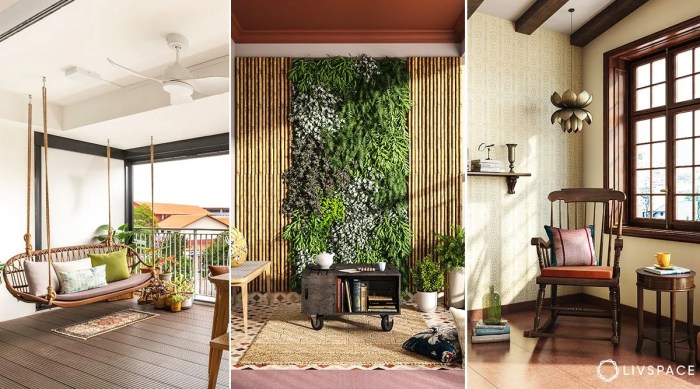
With Sustainable interior design ideas at the forefront, this paragraph opens a window to an amazing start and intrigue, inviting readers to embark on a storytelling casual formal language style filled with unexpected twists and insights.
Sustainable interior design focuses on creating beautiful spaces while minimizing environmental impact. From choosing eco-friendly furniture to implementing energy-efficient lighting, there are numerous ways to make your interior design sustainable and stylish. Let’s explore some innovative ideas to transform your living spaces into eco-friendly havens.
Sustainable Interior Design Ideas
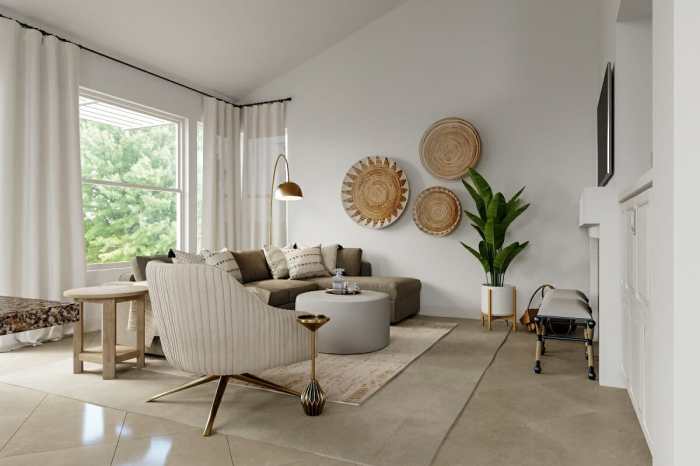
Sustainable interior design focuses on creating spaces that are environmentally friendly, energy-efficient, and socially responsible. It involves using materials and design techniques that minimize the negative impact on the planet and its resources.
Incorporating sustainability into interior design projects is essential for reducing carbon footprint, conserving natural resources, and promoting a healthier indoor environment. It also helps in supporting local communities and reducing waste generation.
Examples of Sustainable Materials
- Bamboo: A fast-growing renewable resource that can be used for flooring, furniture, and decor.
- Recycled Glass: Used in countertops, tiles, and decorative accents, reducing the need for new glass production.
- Reclaimed Wood: Salvaged from old buildings or furniture, giving a unique character to interiors.
- Low VOC Paints: Volatile organic compound-free paints that improve indoor air quality.
Tips for Creating a Sustainable Interior Design Plan
- Choose energy-efficient lighting and appliances to reduce electricity consumption.
- Opt for furniture made from sustainable materials like reclaimed wood or FSC-certified wood.
- Incorporate indoor plants to improve air quality and add a touch of nature to the space.
- Use eco-friendly textiles such as organic cotton or linen for upholstery and drapery.
Eco-Friendly Furniture Choices
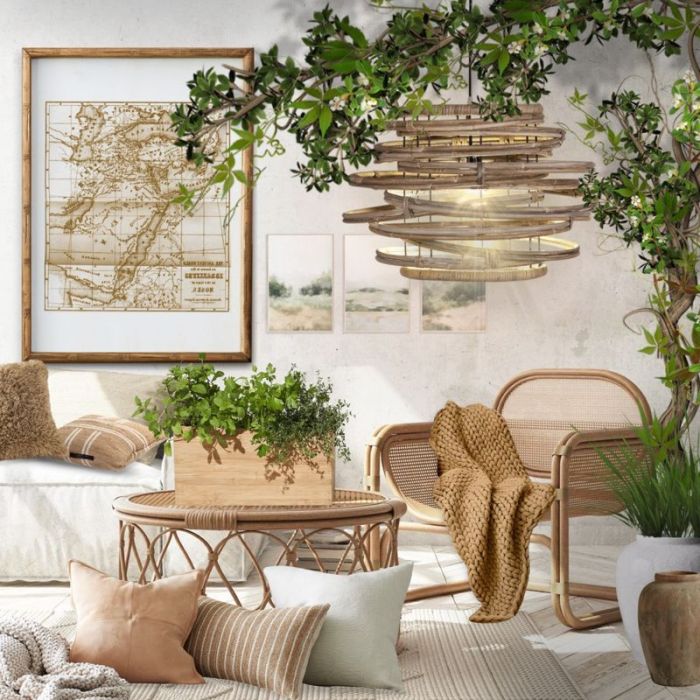
Choosing eco-friendly furniture is a crucial aspect of sustainable interior design as it helps reduce the environmental impact of furniture production and promotes a healthier living space. Eco-friendly furniture is made from sustainable materials that are sourced responsibly and are designed to be durable and long-lasting.
When comparing traditional furniture with eco-friendly alternatives, traditional furniture is often made from materials that involve high levels of energy consumption, deforestation, and harmful chemicals. On the other hand, eco-friendly furniture utilizes materials like reclaimed wood, bamboo, recycled plastic, and other sustainable options that have a lower impact on the environment.
Sustainable Furniture Materials
- Reclaimed Wood: Wood salvaged from old buildings, furniture, or other sources, reducing the need for new timber and minimizing waste.
- Bamboo: A fast-growing and renewable resource that can be harvested without causing damage to the environment.
- Recycled Plastic: Plastic waste is repurposed into durable and long-lasting furniture pieces, preventing plastic pollution.
Identifying Sustainable Furniture Options
- Look for certifications: Check for labels like FSC (Forest Stewardship Council) or GREENGUARD to ensure that the furniture meets specific environmental standards.
- Materials used: Research the materials used in the furniture and opt for natural, organic, or recycled materials over synthetic or non-renewable options.
- Durability and longevity: Choose furniture pieces that are well-built and designed to last, reducing the need for frequent replacements and minimizing waste.
Energy-Efficient Lighting Solutions
Energy-efficient lighting plays a crucial role in sustainable interior design by reducing energy consumption and minimizing environmental impact. By choosing the right lighting options and incorporating smart solutions, you can create a more eco-friendly living space while also saving on energy costs.
Types of Energy-Efficient Lighting
- LED Bulbs: LED bulbs are highly energy-efficient and have a longer lifespan compared to traditional incandescent bulbs. They consume less electricity while providing bright and focused lighting.
- Solar-Powered Lights: Solar-powered lights harness energy from the sun, making them a sustainable lighting option for outdoor spaces. They automatically charge during the day and illuminate your surroundings at night.
Maximizing Natural Light
Natural light is a free and abundant source of illumination that can significantly reduce the need for artificial lighting. To maximize natural light in interior spaces, consider the following tips:
- Use light-colored window treatments to allow more sunlight to filter into the room.
- Position mirrors strategically to reflect natural light and brighten up dark corners.
- Keep windows unobstructed by furniture or decor to ensure maximum light penetration.
Lighting Control Systems
Integrating lighting control systems in your home can help optimize energy efficiency by allowing you to adjust lighting levels based on your needs. Consider the following creative ideas for incorporating lighting control systems:
- Install motion sensors that automatically turn off lights in unoccupied rooms to save energy.
- Use dimmer switches to adjust the brightness of lights according to the time of day or specific tasks.
- Program lighting schedules to align with natural daylight patterns and reduce unnecessary energy consumption.
Indoor Air Quality Improvement
Indoor air quality plays a crucial role in sustainable interior design as it directly impacts the health and well-being of occupants. Poor indoor air quality can lead to various health issues, including respiratory problems, allergies, and even more serious conditions in the long term.
Air-Purifying Plants
Introducing air-purifying plants into a space not only enhances the aesthetic appeal but also helps in purifying indoor air. Some plants known for their air-purifying properties include:
- Snake Plant
- Spider Plant
- Pothos
- Peace Lily
Proper Ventilation and Filtration
Proper ventilation and filtration systems are essential in sustainable design to ensure the circulation of fresh air and the removal of pollutants. Investing in high-quality air filters and regularly maintaining ventilation systems can significantly improve indoor air quality.
Reducing Indoor Air Pollution
Design choices can also help in reducing indoor air pollution. Opting for low-VOC paints, using natural cleaning products, and minimizing the use of synthetic materials can all contribute to a healthier indoor environment. Additionally, incorporating materials like reclaimed wood and bamboo can further enhance air quality while promoting sustainability.
In conclusion, Sustainable interior design ideas offer a pathway to harmonize aesthetics with environmental consciousness. By incorporating sustainable practices and materials, you can create spaces that are not only visually appealing but also contribute to a greener future. Embrace these ideas to design a more sustainable and eco-friendly living environment.
Q&A
How can I incorporate sustainability into my interior design projects?
You can use sustainable materials like reclaimed wood, bamboo, or recycled plastic, focus on energy-efficient lighting, and improve indoor air quality with plants and proper ventilation systems.
What are some examples of eco-friendly furniture materials?
Eco-friendly furniture materials include reclaimed wood, bamboo, and recycled plastic, which are sustainable alternatives to traditional furniture options.
Why is it important to consider energy-efficient lighting in sustainable interior design?
Energy-efficient lighting helps reduce energy consumption, lower electricity bills, and minimize environmental impact, making it a crucial aspect of sustainable interior design.
How can I identify sustainable furniture options when shopping?
You can look for certifications like FSC (Forest Stewardship Council) for wood products or check for labels indicating the use of recycled or environmentally friendly materials to identify sustainable furniture options.


