
As Sustainable design materials takes center stage, this opening passage beckons readers with casual formal language style into a world crafted with good knowledge, ensuring a reading experience that is both absorbing and distinctly original.
Sustainable design is more than just a trend; it’s a revolutionary approach that aims to blend creativity with environmental consciousness. In this exploration of sustainable design materials, we delve into the key concepts and practices shaping a greener future for design projects worldwide.
Sustainable Design
Sustainable design is an approach to creating products and systems that have a minimal negative impact on the environment, society, and economy. It emphasizes the use of renewable resources, efficient energy consumption, and reducing waste and pollution.
Examples of Sustainable Design Principles
- Using recycled or upcycled materials in construction and manufacturing processes.
- Designing for durability and longevity to reduce the need for frequent replacements.
- Incorporating energy-efficient technologies like solar panels and LED lighting.
- Implementing passive design strategies such as natural ventilation and daylighting to reduce energy consumption.
- Promoting biodiversity and ecosystem restoration in urban planning and landscaping.
Importance of Incorporating Sustainability in Design Practices
Sustainability is crucial in design practices as it helps mitigate the environmental impact of human activities, conserves resources for future generations, and promotes social equity. By integrating sustainable principles into design, we can create healthier and more resilient built environments while addressing global challenges such as climate change and resource depletion.
Sustainable Design Materials
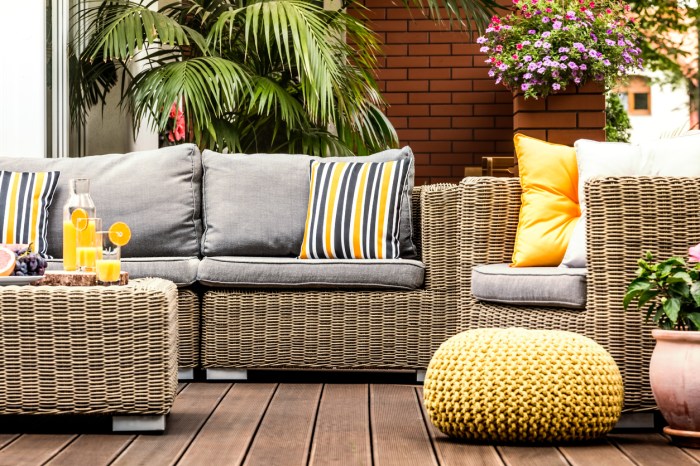
In the realm of design, sustainable materials play a crucial role in minimizing environmental impact and promoting eco-friendly practices. These materials are sourced, produced, and utilized in a way that has a reduced negative impact on the environment, making them an essential component of sustainable design.
Popular Sustainable Materials
Various sustainable materials are commonly used in design to promote eco-conscious practices. Some popular sustainable materials include:
- Bamboo: Known for its rapid growth and renewability, bamboo is a versatile material used in furniture, flooring, and textiles.
- Recycled Glass: Utilizing post-consumer glass waste, recycled glass is transformed into countertops, tiles, and decorative accents.
- Reclaimed Wood: Salvaged from old buildings or structures, reclaimed wood is repurposed into furniture, flooring, and architectural elements.
- Organic Cotton: Grown without synthetic pesticides or fertilizers, organic cotton is used in textiles, upholstery, and clothing.
- Cork: Harvested from the bark of cork oak trees without harming the tree, cork is used in flooring, insulation, and home accessories.
Environmental Impact Comparison
When comparing the environmental impact of sustainable materials versus traditional materials, it is evident that sustainable materials have several advantages. Sustainable materials often require fewer natural resources, produce lower carbon emissions, and promote circular design principles by utilizing recycled or repurposed components. In contrast, traditional materials may involve resource-intensive extraction processes, contribute to deforestation, and generate higher levels of pollution during production.
Benefits of Sustainable Design Materials
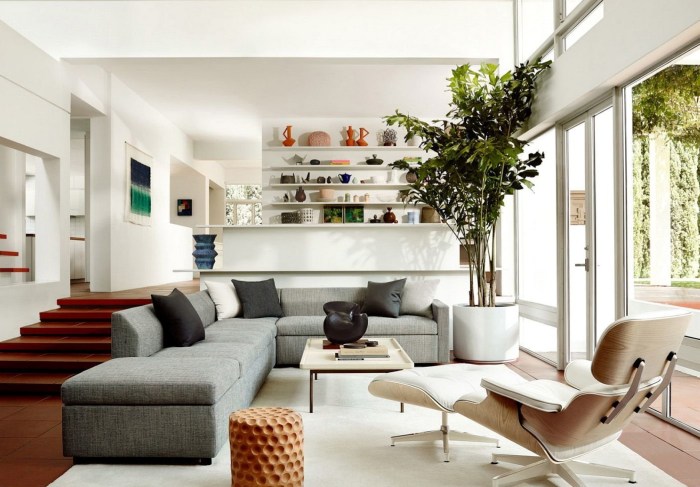
Using sustainable design materials in projects offers a wide range of advantages that go beyond just aesthetics. These materials contribute to eco-friendly practices and help create a healthier environment for both people and the planet.
Reduced Environmental Impact
By using sustainable materials such as bamboo, recycled glass, or reclaimed wood, designers can significantly reduce the environmental impact of their projects. These materials require fewer resources to produce and often have lower carbon footprints compared to traditional materials.
Improved Indoor Air Quality
Sustainable materials are often non-toxic and emit fewer harmful chemicals, improving indoor air quality in residential and commercial spaces. This leads to a healthier living and working environment for occupants.
Longevity and Durability
Many sustainable materials are known for their durability and longevity, outperforming conventional materials in terms of lifespan. This not only reduces the need for frequent replacements but also minimizes waste generation in the long run.
Enhanced Aesthetics and Unique Designs
Designers have a wide variety of sustainable materials to choose from, allowing for unique and creative design solutions. From upcycled furniture to eco-friendly building materials, the use of sustainable materials can add a distinct aesthetic appeal to any project.
Trends in Sustainable Design Materials
As the demand for eco-friendly and sustainable products continues to rise, the design industry is witnessing some exciting trends in sustainable materials. These trends reflect a growing awareness of the need to reduce environmental impact and promote sustainability in all aspects of design.
Use of Recycled and Upcycled Materials
Designers are increasingly turning to recycled and upcycled materials to create innovative and sustainable products. By repurposing materials that would otherwise end up in landfills, designers are able to reduce waste and create unique, environmentally friendly designs.
Biodegradable Materials
Biodegradable materials are becoming more popular in sustainable design due to their ability to break down naturally without harming the environment. These materials are often used in packaging, textiles, and construction, offering a greener alternative to traditional materials.
Advancements in Sustainable Fabrics
Technological advancements have led to the development of new sustainable fabrics that are both eco-friendly and stylish. Materials such as organic cotton, bamboo, and hemp are gaining popularity in the fashion industry, offering consumers a more sustainable choice when it comes to clothing and textiles.
In conclusion, Sustainable design materials offer not just an alternative but a pathway to a more sustainable and eco-friendly future. By embracing these materials, designers can create impactful projects that not only look good but also contribute positively to the planet. The possibilities are endless when it comes to crafting a greener future through sustainable design materials.
Questions and Answers
What are sustainable design materials?
Sustainable design materials are environmentally friendly materials that are responsibly sourced, produced, and used in design projects to minimize negative impacts on the environment.
How do sustainable materials contribute to eco-friendly practices?
Sustainable materials contribute to eco-friendly practices by reducing energy consumption, minimizing waste, and promoting the use of renewable resources in design projects.
Can traditional materials be replaced entirely by sustainable materials?
While the shift towards sustainable materials is growing, traditional materials still have their place. The goal is to gradually integrate more sustainable options into design projects to reduce environmental impact.