Embark on a journey through the world of Sustainable Landscape Design, where eco-conscious principles meet innovative techniques to shape the outdoor environment. Explore the beauty of harmonizing nature with sustainable practices for a greener future.
Discover how the fusion of creativity and environmental responsibility leads to breathtaking landscapes that benefit the planet and its inhabitants alike.
Sustainable Landscape Design
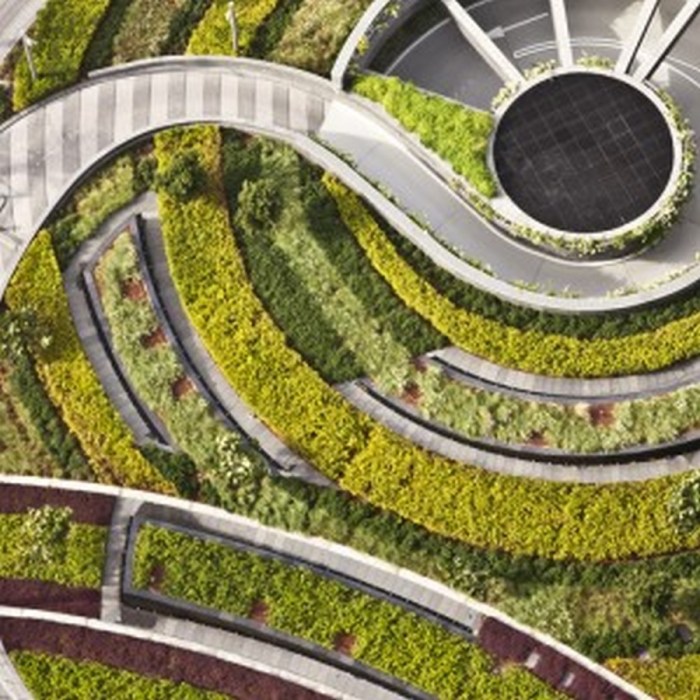
Sustainable landscape design refers to the practice of creating outdoor spaces that are environmentally friendly, energy-efficient, and economically viable. The principles of sustainable landscape design focus on conserving resources, reducing waste, and promoting biodiversity.
It is important to incorporate sustainable practices in landscaping to minimize the negative impact on the environment and reduce the use of harmful chemicals. By using sustainable materials and techniques, we can create beautiful outdoor spaces that are not only visually appealing but also beneficial for the ecosystem.
Examples of Sustainable Materials and Techniques
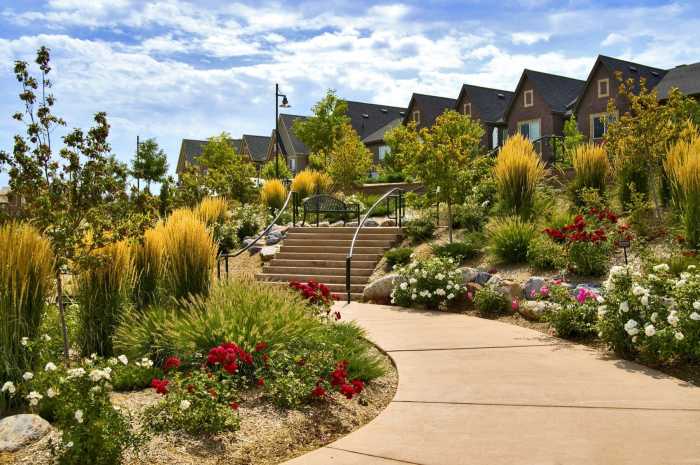
- Using native plants that require less water and maintenance.
- Implementing rain gardens to capture and filter stormwater runoff.
- Installing permeable paving materials to reduce runoff and allow water to infiltrate into the ground.
- Incorporating compost and mulch to improve soil health and reduce the need for synthetic fertilizers.
- Utilizing solar-powered lighting to reduce energy consumption.
Benefits of Sustainable Design
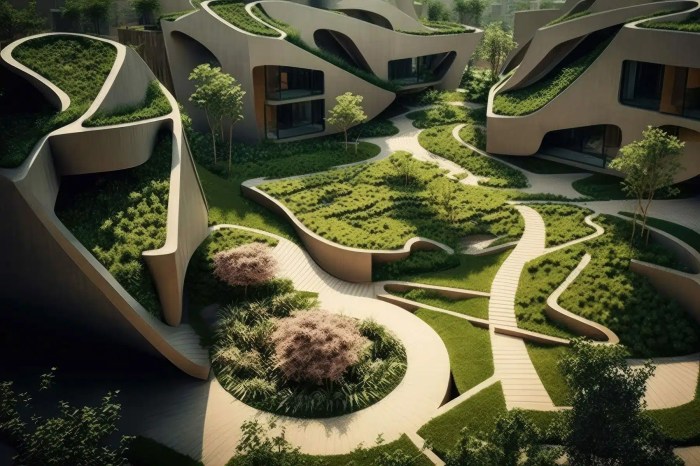
Embracing sustainable practices in landscape design brings about a multitude of benefits that extend beyond just the aesthetic appeal of the environment.
Environmental Benefits
- Reduced water consumption through the use of drought-resistant plants and efficient irrigation systems.
- Minimization of waste through composting and recycling practices.
- Promotion of biodiversity by creating habitats for local wildlife.
- Improvement of air quality by planting trees and vegetation that absorb pollutants.
Economic Advantages
- Long-term cost savings through reduced water and energy consumption.
- Increase in property value due to the attractiveness and functionality of sustainable landscapes.
- Lower maintenance costs as sustainable landscapes require less upkeep compared to traditional designs.
Social Benefits
- Creation of spaces for community engagement and gatherings, fostering a sense of belonging.
- Promotion of physical and mental well-being through access to green spaces that encourage outdoor activities.
- Education and awareness about environmental conservation and sustainability practices among residents and visitors.
Elements of Sustainable Landscape Design
When it comes to sustainable landscape design, there are several key elements that play a crucial role in creating an environmentally friendly and efficient outdoor space. These elements focus on conservation, efficiency, and promoting biodiversity to ensure a healthy and thriving landscape.
Water Conservation
Water conservation is a vital aspect of sustainable landscape design. Implementing practices such as rainwater harvesting, drip irrigation systems, and using drought-resistant plants can help reduce water consumption and minimize waste.
Native Plant Use
Utilizing native plants in landscape design not only helps conserve water but also promotes biodiversity. Native plants are adapted to the local climate and soil conditions, requiring less water, fertilizer, and maintenance compared to non-native species.
Energy-Efficient Design
Energy-efficient design in landscaping involves strategic placement of trees, shrubs, and other vegetation to provide shade, reduce heating and cooling costs, and improve overall energy efficiency of buildings. By creating a well-designed landscape, you can minimize the need for artificial heating and cooling.
Soil Health and Composting
Soil health plays a vital role in sustainable landscaping. By incorporating composting practices, organic fertilizers, and mulching techniques, you can improve soil fertility, structure, and water retention capacity. Healthy soil supports plant growth, reduces erosion, and enhances overall landscape sustainability.
Wildlife Habitats and Biodiversity
Integrating wildlife habitats and promoting biodiversity in landscape design can create a balanced ecosystem that benefits various plant and animal species. By incorporating native plants, water features, and shelter options, you can attract beneficial insects, birds, and other wildlife, contributing to a thriving and diverse landscape.
Sustainable Design Techniques
Rain gardens and permeable paving are two key sustainable design techniques used in landscape design to manage stormwater runoff effectively. Rain gardens are shallow depressions filled with native plants that help absorb and filter rainwater, reducing the risk of flooding and erosion. Permeable paving, on the other hand, allows rainwater to infiltrate the ground instead of running off paved surfaces, helping to recharge groundwater and reduce pollution in water bodies.
Rain Gardens and Permeable Paving
- Rain gardens utilize native plant species to absorb and filter rainwater, reducing stormwater runoff.
- Permeable paving materials such as porous concrete or gravel allow rainwater to seep through, reducing runoff and pollution.
- Both techniques help to mitigate the urban heat island effect by reducing surface temperature through evapotranspiration.
Xeriscaping for Water-Wise Landscaping
- Xeriscaping is a landscaping technique that focuses on using drought-tolerant plants and efficient irrigation systems to conserve water.
- By incorporating xeriscaping principles, such as grouping plants with similar water needs and mulching to retain moisture, landscapes can thrive with minimal water usage.
- This approach not only conserves water but also reduces maintenance costs and the need for chemical inputs in landscaping.
Green Roofs and Living Walls in Sustainable Urban Design
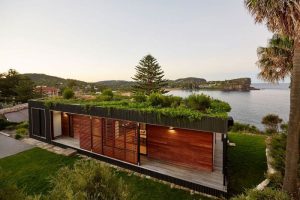
- Green roofs involve planting vegetation on rooftops, providing insulation, reducing energy costs, and mitigating stormwater runoff in urban areas.
- Living walls are vertical gardens that offer similar benefits by improving air quality, reducing the urban heat island effect, and enhancing biodiversity in cities.
- Both green roofs and living walls contribute to sustainable urban design by increasing greenery in densely populated areas and promoting biodiversity.
In conclusion, Sustainable Landscape Design is not just a trend but a vital approach towards fostering a healthier planet. By embracing sustainable practices, we pave the way for a more resilient and beautiful world for generations to come.
Questions Often Asked
What are some common sustainable materials used in landscape design?
Some common sustainable materials include recycled wood, permeable pavers, and reclaimed stone.
How does sustainable landscape design benefit the environment?
Sustainable landscape design helps reduce water consumption, minimize waste, and promote biodiversity.
What role does composting play in sustainable landscaping?
Composting enriches the soil, reduces the need for chemical fertilizers, and supports healthy plant growth.