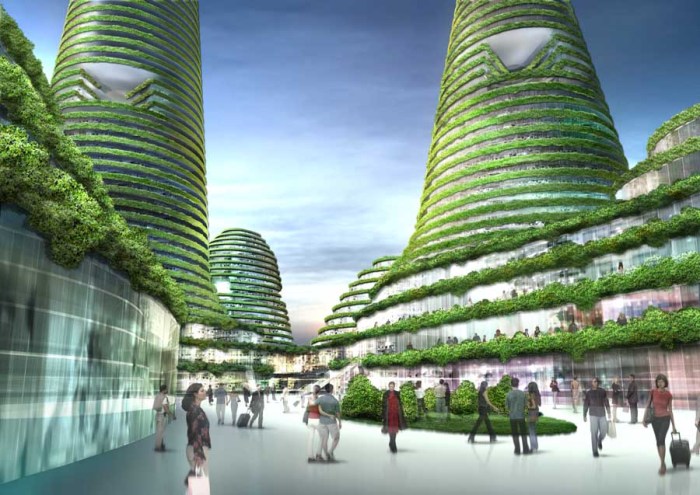
As Sustainable urban design takes center stage, this opening passage beckons readers into a world crafted with good knowledge, ensuring a reading experience that is both absorbing and distinctly original.
Sustainable urban design focuses on creating environmentally friendly cities through innovative planning and development strategies, revolutionizing the way we approach urban spaces.
Sustainable Urban Design
Sustainable urban design focuses on creating cities that are environmentally friendly, socially inclusive, and economically viable. It involves designing and planning urban spaces in a way that minimizes negative impacts on the environment, promotes a high quality of life for residents, and supports economic growth.
Importance of Sustainable Urban Design
Sustainable urban design is crucial in modern cities to address pressing issues such as climate change, resource depletion, and urbanization. By incorporating sustainable practices into urban planning, cities can reduce carbon emissions, improve air and water quality, conserve natural resources, and enhance resilience to climate change impacts.
Examples of Successful Sustainable Urban Design Projects
- The Vauban district in Freiburg, Germany, is a prime example of sustainable urban design. The district prioritizes pedestrian and bike-friendly infrastructure, green spaces, energy-efficient buildings, and renewable energy sources.
- Curitiba, Brazil, is known for its innovative urban planning strategies, including a bus rapid transit system, extensive green spaces, and waste recycling programs. These initiatives have helped improve the city’s livability and environmental sustainability.
- The Hammarby Sjöstad district in Stockholm, Sweden, has been transformed into a sustainable urban neighborhood with eco-friendly buildings, green roofs, energy-efficient systems, and a district heating and cooling system. This project showcases the integration of sustainable practices into urban development.
Principles of Sustainable Urban Design
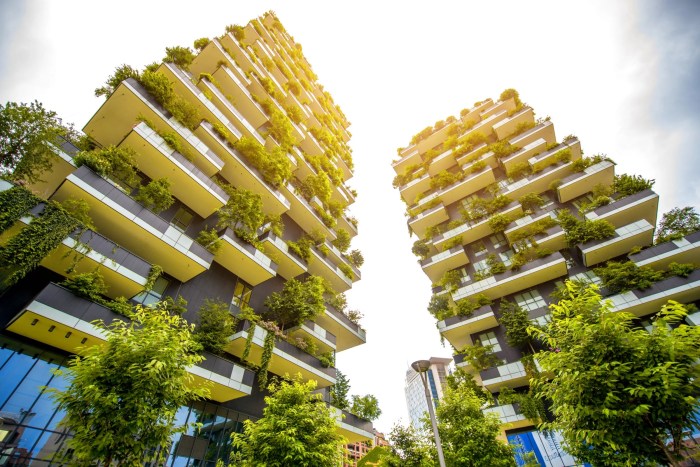
Sustainable urban design is guided by key principles that aim to create environmentally friendly cities while promoting social and economic well-being. By incorporating these principles into urban planning and development, cities can reduce their environmental impact and improve overall quality of life for residents.
Key Principles of Sustainable Urban Design
- Promoting mixed land use: This principle encourages the integration of residential, commercial, and recreational spaces within a neighborhood, reducing the need for long commutes and promoting walkability.
- Preserving green spaces: Sustainable urban design emphasizes the importance of preserving and incorporating green spaces such as parks, gardens, and urban forests to enhance biodiversity, improve air quality, and provide recreational opportunities.
- Encouraging sustainable transportation: Designing cities to prioritize public transportation, cycling infrastructure, and pedestrian-friendly streets helps reduce reliance on cars, lower emissions, and improve air quality.
- Energy efficiency and renewable energy: Sustainable urban design promotes the use of energy-efficient buildings, renewable energy sources, and smart technologies to reduce energy consumption and carbon footprint.
- Water conservation and management: Implementing sustainable water management practices such as rainwater harvesting, greywater recycling, and green infrastructure helps cities reduce water consumption and minimize pollution of water bodies.
Strategies for Implementing Sustainable Urban Design
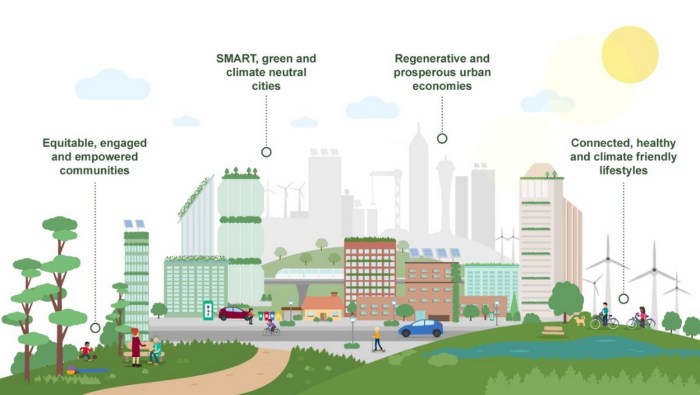
Implementing sustainable urban design involves a variety of strategies that aim to create environmentally friendly, socially inclusive, and economically viable cities. City planners often collaborate closely with architects and engineers to achieve the common goal of sustainable urban development.
Collaboration between City Planners, Architects, and Engineers
City planners, architects, and engineers play crucial roles in the implementation of sustainable urban design. City planners are responsible for creating comprehensive urban plans that align with sustainability goals, while architects and engineers work together to design and construct buildings and infrastructure that are energy-efficient, resource-conscious, and resilient to climate change.
Case Studies
One notable case study showcasing effective implementation of sustainable urban design strategies is the Vauban district in Freiburg, Germany. This car-free neighborhood features green spaces, renewable energy sources, and efficient public transportation systems, resulting in reduced carbon emissions and enhanced quality of life for residents.
Benefits of Sustainable Urban Design
Sustainable urban design offers a wide range of benefits that encompass economic, social, and environmental aspects. These benefits not only enhance the overall quality of life for city residents but also provide long-term advantages for communities.
Economic Benefits
- Reduction in energy consumption and operating costs for buildings
- Increased property values and attractiveness for investors
- Job creation in sustainable industries
Social Benefits
- Improved public health due to access to green spaces and active transportation options
- Enhanced community engagement and social cohesion
- Equitable distribution of resources and amenities for all residents
Environmental Benefits
- Lower carbon emissions and reduced pollution levels
- Preservation of natural ecosystems and biodiversity
- Efficient use of resources and waste reduction through recycling and reuse
Improving Quality of Life
Sustainable urban design plays a crucial role in enhancing the quality of life for city residents by providing safer, healthier, and more vibrant living environments. Access to green spaces, pedestrian-friendly streets, and efficient public transportation systems contribute to a higher quality of life.
Long-Term Advantages
Investing in sustainable urban design initiatives leads to long-lasting benefits for communities. By creating resilient and adaptable urban spaces, cities can better withstand environmental challenges, mitigate risks, and ensure the well-being of current and future generations.
In conclusion, Sustainable urban design offers a promising path towards a greener, more livable future for urban dwellers worldwide. By implementing sustainable practices, cities can thrive while minimizing their environmental impact, ensuring a sustainable legacy for generations to come.
Key Questions Answered
What is the primary goal of sustainable urban design?
The main goal is to create cities that are environmentally sustainable, socially inclusive, and economically viable for present and future generations.
How does sustainable urban design benefit city residents?
Sustainable urban design enhances quality of life by providing green spaces, reducing pollution, promoting walkability, and fostering a sense of community among residents.
What are some challenges in implementing sustainable urban design?
Challenges include balancing economic interests, changing existing infrastructure, gaining community support, and ensuring long-term funding for sustainable projects.


