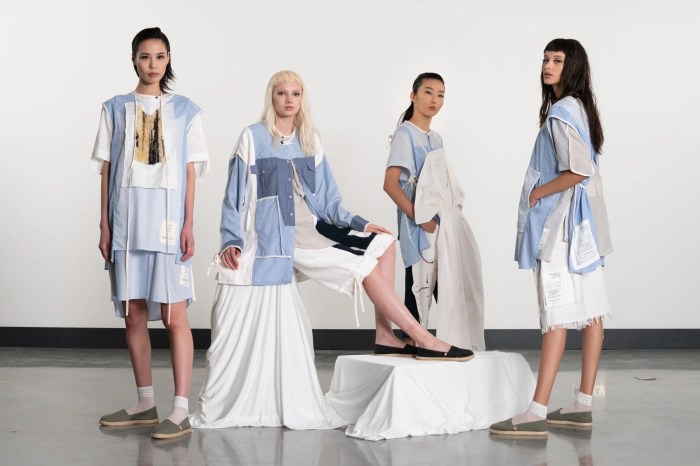
As Sustainable fashion design takes center stage, this opening passage beckons readers with casual formal language style into a world crafted with good knowledge, ensuring a reading experience that is both absorbing and distinctly original.
In today’s fast-paced fashion industry, the concept of sustainability is becoming increasingly crucial. This overview delves into the essence of sustainable fashion design, shedding light on its significance and impact in the realm of style and environmental consciousness.
Sustainable Fashion Design
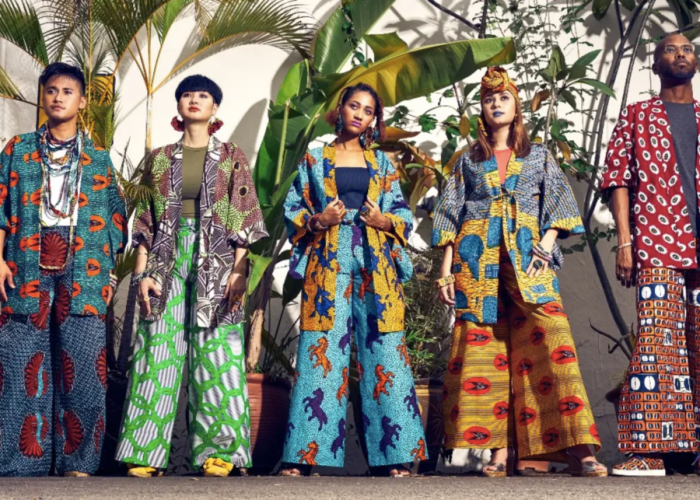
Sustainable fashion design refers to the process of creating clothing, accessories, and other fashion items in an environmentally and socially responsible manner. It involves considering the entire lifecycle of a product, from design and sourcing of materials to production, distribution, and disposal.
Implementing sustainable practices in the fashion industry is crucial to reduce the negative environmental and social impacts associated with traditional fashion production. By using eco-friendly materials, minimizing waste, and promoting fair labor practices, sustainable fashion design aims to create a more ethical and environmentally conscious fashion industry.
Examples of Sustainable Materials
- Organic Cotton: Grown without the use of synthetic pesticides and fertilizers, organic cotton reduces harm to the environment and promotes soil health.
- Recycled Polyester: Made from post-consumer plastic bottles, recycled polyester helps reduce waste and lessen the demand for virgin polyester production.
- Tencel (Lyocell): Produced from sustainably sourced wood pulp, Tencel is a biodegradable fabric that requires less water and energy to manufacture compared to traditional materials.
Contribution to Environmental Conservation
Sustainable fashion design plays a significant role in environmental conservation by reducing carbon emissions, water consumption, and waste generation throughout the fashion supply chain. By adopting sustainable practices, fashion brands can help protect natural resources, preserve biodiversity, and mitigate the impacts of climate change.
Principles of Sustainable Design
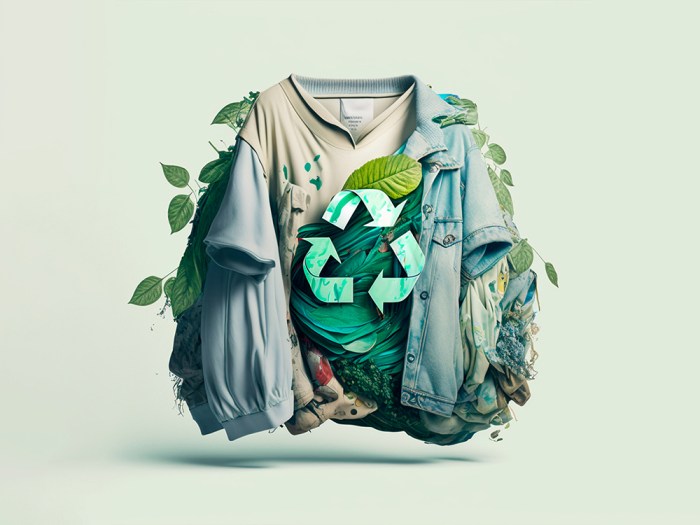
Sustainable design is guided by a set of core principles that focus on minimizing environmental impact, promoting social responsibility, and ensuring economic viability.
Application in Fashion Design
- Use of eco-friendly materials such as organic cotton, hemp, or recycled fibers.
- Adoption of ethical production practices to ensure fair labor conditions.
- Reduction of waste through efficient use of resources and innovative design techniques.
- Promotion of durability and longevity in clothing to reduce fast fashion consumption.
Comparison with Traditional Practices
- In traditional fashion design, there is often a focus on trend-driven, mass production leading to overconsumption and waste.
- Sustainable design, on the other hand, emphasizes quality over quantity, leading to timeless pieces that are less likely to be discarded.
- Traditional practices may overlook the environmental and social impact of production, while sustainable design considers the entire lifecycle of a garment.
Benefits of Sustainable Design in Fashion
- Reduction of carbon footprint and environmental degradation.
- Promotion of ethical labor practices and support for local communities.
- Creation of unique, high-quality pieces that stand the test of time.
- Shift towards a more conscious and responsible industry that values sustainability.
Sustainable Fashion Trends
As the fashion industry continues to evolve, sustainable fashion trends have become increasingly popular. Consumers are now more aware of the environmental and social impact of their purchases, leading to a shift towards more sustainable and ethical fashion choices.
Consumer Demand Influence
Consumer demand plays a significant role in shaping sustainable fashion trends. As more consumers prioritize sustainability and ethical practices, fashion brands are pressured to incorporate these values into their designs. This has led to an increase in demand for eco-friendly materials, fair labor practices, and transparency in the fashion supply chain.
Role of Technology
Technology has played a crucial role in advancing sustainable fashion design. Innovations such as 3D printing, artificial intelligence, and blockchain technology have enabled designers to create more sustainable products and streamline the production process. For example, 3D printing allows for on-demand production, reducing waste and overproduction.
Innovative Projects and Collaborations
- One example of an innovative sustainable fashion project is “The Circular Design Challenge” by the Ellen MacArthur Foundation, which encourages designers to create garments from post-consumer waste.
- Another notable collaboration is the partnership between Stella McCartney and Bolt Threads to create a sustainable alternative to silk using lab-grown spider silk.
- The Fashion for Good initiative in Amsterdam brings together fashion brands, manufacturers, and innovators to drive sustainable innovation in the industry.
Ethical Considerations in Sustainable Fashion
When it comes to sustainable fashion design, ethical considerations play a crucial role in ensuring that the industry operates in a responsible and conscientious manner. This involves looking beyond just environmental impact and taking into account the social and ethical implications of the entire supply chain.
Fair Labor Practices and Social Responsibility
- Implement fair labor practices to ensure that workers involved in the production process are treated ethically and receive fair wages.
- Embrace social responsibility by supporting initiatives that benefit communities and contribute positively to society.
- Collaborate with suppliers who uphold ethical standards and prioritize the well-being of their workers.
Importance of Transparency in the Fashion Supply Chain
Transparency is key in sustainable fashion as it allows consumers to make informed choices about the products they buy. By being transparent about sourcing, manufacturing processes, and materials used, designers can build trust with their customers and demonstrate their commitment to ethical practices.
Ensuring Ethical Sourcing and Production
- Source materials from suppliers who adhere to ethical standards and have transparent supply chains.
- Audit manufacturing facilities to ensure they meet ethical labor practices and environmental standards.
- Engage in fair trade practices to support marginalized communities and promote social equity in the fashion industry.
Embracing sustainable fashion design isn’t just a trend—it’s a movement towards a more eco-conscious and socially responsible future. By infusing creativity with ethical practices, the fashion industry can pave the way for a greener tomorrow filled with innovation and purpose.
Top FAQs
What are the key elements of sustainable fashion design?
Sustainable fashion design focuses on using eco-friendly materials, promoting fair labor practices, and ensuring transparency in the supply chain.
How does sustainable fashion contribute to environmental conservation?
By using recyclable materials, reducing waste, and minimizing carbon footprint, sustainable fashion design plays a vital role in preserving the environment.
What role does technology play in advancing sustainable fashion?
Technology enables innovative processes like 3D printing and digital design tools that enhance sustainability in fashion production.


