Embark on a journey through the realm of sustainable design, focusing on cutting-edge technologies that shape the future of architecture and environmental conservation. From renewable energy integration to smart building systems, explore how these innovations are revolutionizing the way we build and live.
Technologies for Sustainable Design
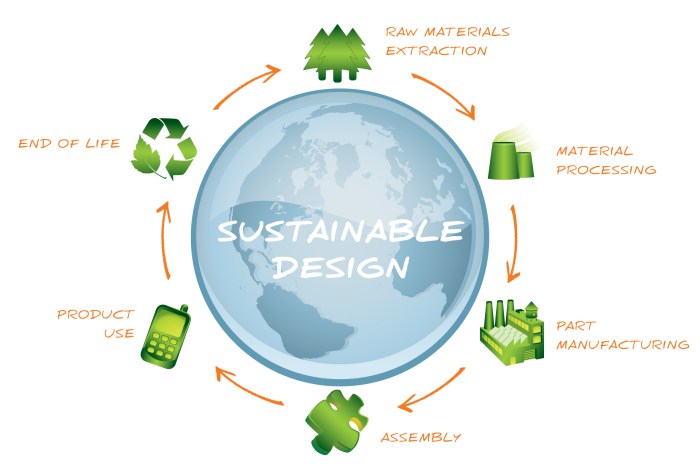
Sustainable design is a concept that focuses on creating buildings and structures that minimize their environmental impact while maximizing energy efficiency. In modern architecture, sustainable design has become increasingly important due to the growing concerns about climate change and the depletion of natural resources.
Key Technologies in Sustainable Design
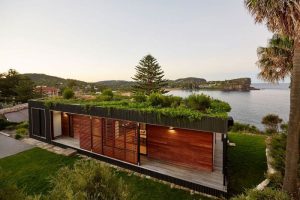
- Green Roofs: These roofs are covered with vegetation, which helps reduce energy consumption by providing natural insulation and absorbing rainwater.
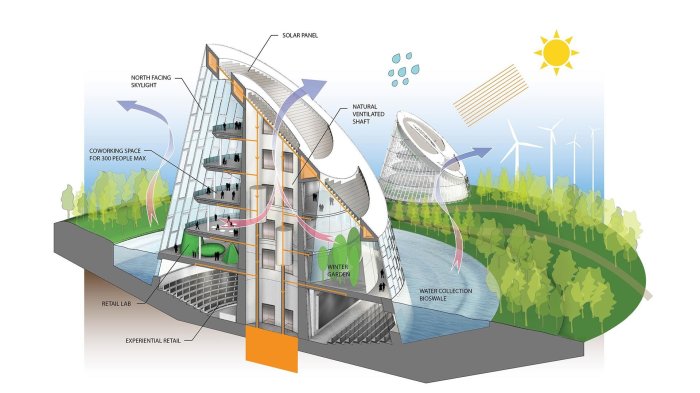
- Solar Panels: Solar panels convert sunlight into electricity, reducing reliance on non-renewable energy sources and lowering carbon emissions.
- Energy-Efficient HVAC Systems: Heating, ventilation, and air conditioning systems designed to minimize energy consumption and reduce greenhouse gas emissions.
- Smart Building Automation: Integrated systems that optimize energy use by monitoring and adjusting building functions based on occupancy and environmental conditions.
Contribution to Environmental Conservation and Energy Efficiency
- By incorporating these technologies, sustainable design practices help reduce carbon footprint, decrease energy consumption, and promote the efficient use of resources.
- Green buildings contribute to a healthier indoor environment, improve air quality, and promote overall well-being for occupants.
Innovative Sustainable Design Technologies
- Vertical Gardens: Vertical gardens or living walls are structures covered with plants that help reduce urban heat island effect and improve air quality.
- Wind Turbines: Integrating wind turbines into building design can generate renewable energy and reduce reliance on fossil fuels.
- Rainwater Harvesting Systems: Collecting and storing rainwater for non-potable uses such as irrigation and toilet flushing helps conserve water resources.
Renewable Energy Integration
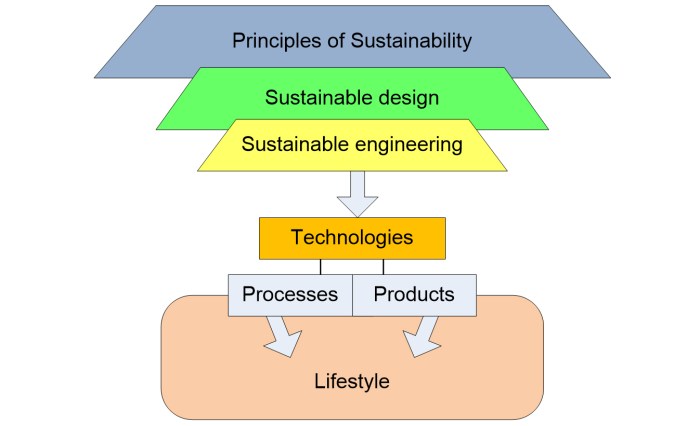
Renewable energy integration in sustainable building designs plays a crucial role in reducing carbon footprint and promoting environmental sustainability. By utilizing sources like solar panels and wind turbines, buildings can generate clean energy on-site, leading to a more efficient and eco-friendly operation.
Benefits of Renewable Energy Integration
- Reduction of greenhouse gas emissions: Incorporating renewable energy technologies helps decrease reliance on fossil fuels, thereby lowering carbon emissions and mitigating climate change.
- Cost savings: Generating electricity from renewable sources can lead to long-term cost savings on energy bills, making buildings more economically sustainable in the long run.
- Energy independence: By producing their own energy on-site, buildings can become less dependent on external energy sources, increasing resilience and self-sufficiency.
Different Approaches to Renewable Energy Integration
- Roof-mounted solar panels: Installing solar panels on rooftops is a popular approach to harnessing solar energy for electricity generation in buildings.
- Vertical-axis wind turbines: Integrating wind turbines into the design of buildings can capture wind energy efficiently, especially in urban environments with limited space.
- Combined renewable systems: Some buildings utilize a combination of solar panels, wind turbines, and other renewable technologies to maximize energy production and efficiency.
Case Studies of Successful Renewable Energy Integration
- One Central Park, Sydney: This mixed-use development features a cantilevered heliostat with solar panels that track the sun, providing renewable energy for the building.
- The Edge, Amsterdam: Known as the greenest building in the world, The Edge incorporates rooftop solar panels and a smart lighting system to optimize energy usage.
- Bullitt Center, Seattle: A net-zero energy building, the Bullitt Center generates all of its energy on-site through a combination of solar panels and other sustainable technologies.
Green Building Materials
When it comes to sustainable design, the choice of building materials plays a crucial role in reducing the environmental impact of construction projects. Green building materials are eco-friendly alternatives that help create healthier living spaces while minimizing the depletion of natural resources.
Sustainable Building Materials
Here are some commonly used sustainable building materials in eco-friendly construction projects:
- Bamboo: Known for its rapid growth and renewable nature, bamboo is a versatile material used in various construction applications.
- Recycled steel: Using recycled steel helps reduce energy consumption and carbon emissions associated with traditional steel production.
- Straw bales: A natural and renewable insulation material that provides excellent thermal performance.
- Recycled glass: Used in countertops, tiles, and insulation, recycled glass reduces the need for new raw materials.
Criteria for Selecting Green Building Materials
- Durability: Green building materials should have a long lifespan to minimize the need for frequent replacements.
- Sustainability: Materials should be sourced from renewable or recycled sources to reduce environmental impact.
- Eco-friendly production: The manufacturing process of green building materials should be energy-efficient and minimize waste generation.
Environmental Impact Comparison
Traditional building materials, such as concrete and steel, have a significant environmental impact due to high energy consumption and carbon emissions during production. In contrast, green alternatives like bamboo and straw bales have lower carbon footprints and contribute to sustainable construction practices.
Advancements in Sustainable Building Material Technologies
- Biodegradable materials: Innovations in biodegradable materials offer sustainable alternatives that decompose naturally at the end of their lifespan.
- Nanotechnology: Nanomaterials are being used to enhance the performance and durability of green building materials.
- Smart materials: Materials with self-healing properties and energy-efficient characteristics are revolutionizing sustainable construction practices.
Smart Building Systems
Smart building systems are integrated technologies that enable buildings to optimize energy usage, enhance occupant comfort, and reduce environmental impact. These systems play a crucial role in sustainable design practices by promoting energy efficiency, resource conservation, and overall sustainability.
IoT Devices in Energy Management
The Internet of Things (IoT) devices have revolutionized energy management in buildings by enabling real-time monitoring, control, and automation of various systems. Smart thermostats, occupancy sensors, and lighting controls are examples of IoT devices that help buildings adjust energy usage based on occupancy patterns and environmental conditions. This dynamic approach to energy management not only reduces energy waste but also enhances comfort and productivity for building occupants.
Examples of Smart Building Systems
Building Energy Management Systems (BEMS)
BEMS integrate various building systems, such as HVAC, lighting, and security, to optimize energy usage and operational efficiency.
Automated Demand Response (ADR) Systems
ADR systems enable buildings to respond to utility signals and adjust energy consumption during peak demand periods, reducing strain on the grid and lowering electricity costs.
Smart Grid Integration
By connecting buildings to the smart grid, energy flows can be optimized, and renewable energy sources can be efficiently utilized to power buildings.
Challenges and Opportunities
Implementing smart technologies in sustainable building designs presents both challenges and opportunities. Challenges include initial costs, interoperability issues, cybersecurity risks, and the need for specialized expertise. However, the opportunities for energy savings, operational efficiency, and enhanced occupant experience are significant. As technology continues to advance, smart building systems are expected to play an increasingly vital role in creating sustainable and resilient buildings for the future.
In conclusion, Technologies for sustainable design encapsulates a dynamic landscape of eco-friendly solutions, paving the way for a greener and more sustainable future. Dive into the world of sustainable design and witness the transformative power of technology in shaping our built environment.
General Inquiries
How do sustainable design technologies impact energy efficiency?
These technologies optimize energy usage, reduce waste, and lower overall energy consumption in buildings.
What are some examples of innovative sustainable design technologies?
Examples include green roofs, daylighting systems, and passive solar design solutions.
How do green building materials contribute to sustainable design?
Green materials minimize environmental impact, promote health, and enhance energy efficiency in buildings.