
Embark on a journey through the Principles of sustainable design, exploring the intersection of innovation and environmental consciousness in modern architecture. As we delve into the core concepts guiding sustainable design practices, get ready to uncover the transformative potential of eco-friendly materials, energy-efficient systems, and sustainable architectural practices.
Overview of Sustainable Design
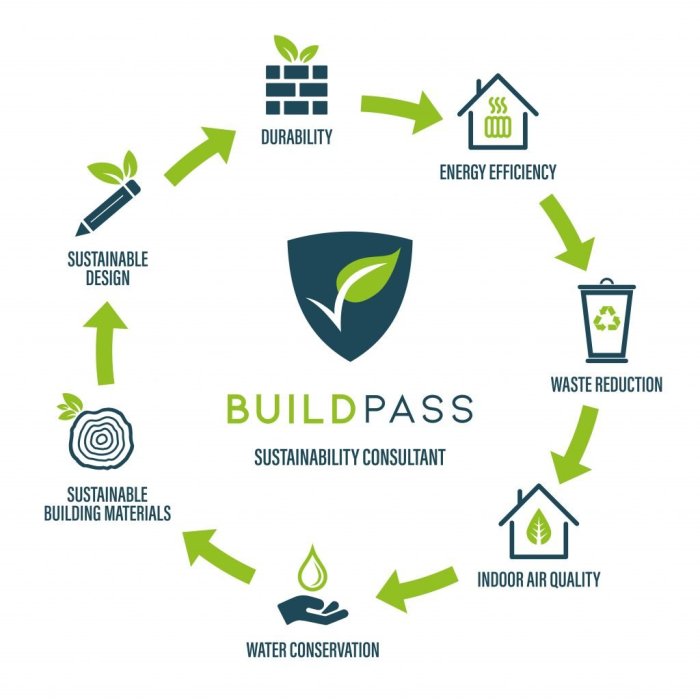
Sustainable design is an approach to design that considers the environmental, social, and economic impact of a building or product throughout its lifecycle. In modern architecture, sustainable design plays a crucial role in creating buildings that are not only environmentally friendly but also promote a healthier and more sustainable way of living.Sustainable design aims to reduce the environmental impact of buildings by using resources efficiently, minimizing waste, and reducing energy consumption.
By incorporating sustainable design principles, architects and designers can create spaces that are energy-efficient, environmentally responsible, and socially beneficial.
Key Principles of Sustainable Design
- Energy Efficiency: Sustainable design focuses on reducing energy consumption through efficient use of natural light, insulation, and energy-saving technologies.
- Material Selection: Choosing environmentally friendly materials that are renewable, recyclable, and non-toxic is a key principle of sustainable design.
- Water Conservation: Sustainable design aims to minimize water usage through efficient plumbing fixtures, rainwater harvesting, and greywater recycling.
- Site Planning: Designing buildings that work in harmony with the surrounding environment, reducing urban heat island effect, and preserving natural habitats.
- Adaptability and Flexibility: Creating spaces that can adapt to changing needs and functions over time, reducing the need for demolition and reconstruction.
Integration of Sustainable Materials
When it comes to sustainable design, the choice of materials plays a crucial role in reducing environmental impact and promoting eco-friendliness. By opting for sustainable materials, designers can contribute to a more sustainable future and minimize the negative effects of production processes.
Examples of sustainable materials commonly used in sustainable design include bamboo, reclaimed wood, and recycled glass. These materials are known for their low environmental footprint, as they are sourced responsibly and have minimal impact on the environment.
Bamboo
- Bamboo is a fast-growing and renewable resource that can be used for various applications in design, such as flooring, furniture, and decorative elements.
- Its rapid growth rate makes it a sustainable alternative to traditional hardwoods, which take much longer to mature.
- Due to its strength and durability, bamboo products have a long lifespan, reducing the need for frequent replacements.
Reclaimed Wood
- Reclaimed wood is salvaged from old buildings, furniture, or other sources, giving it a second life and preventing the need for new wood extraction.
- Using reclaimed wood helps reduce deforestation and waste, as it repurposes existing materials that would otherwise end up in landfills.
- Each piece of reclaimed wood has a unique history and character, adding a sense of authenticity and sustainability to design projects.
Recycled Glass
- Recycled glass is made from post-consumer glass bottles and jars, which are crushed and melted down to create new glass products.
- By using recycled glass, designers can reduce energy consumption and emissions associated with glass production, as melting recycled glass requires less energy than melting raw materials.
- Recycled glass can be used for countertops, tiles, or decorative accents, adding a touch of sustainability and elegance to interior spaces.
Energy Efficiency and Sustainable Design
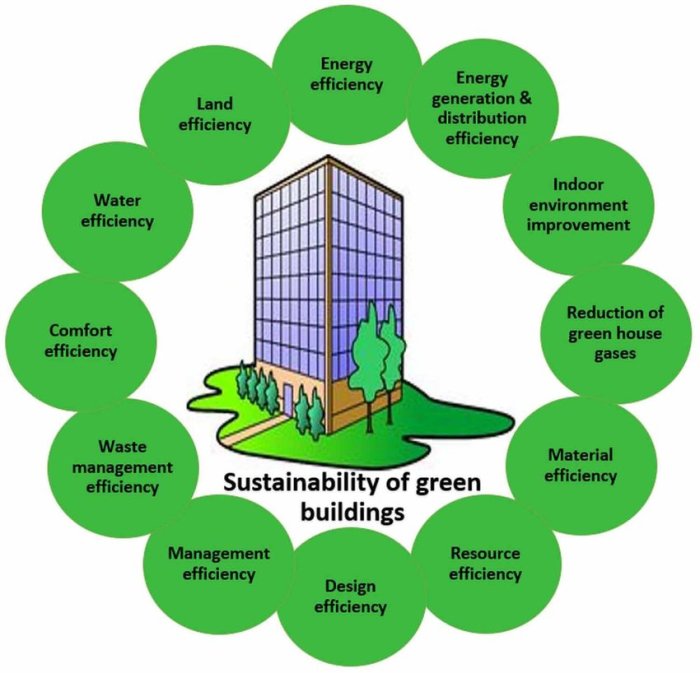
Energy efficiency plays a crucial role in sustainable design by reducing the environmental impact of buildings and lowering energy consumption.
Role of Energy-Efficient Systems
- Implementing energy-efficient systems such as LED lighting, smart thermostats, and energy-efficient appliances can significantly reduce energy consumption in buildings.
- Utilizing renewable energy sources like solar panels and wind turbines further enhances the sustainability of a building.
Optimizing Energy Use through Design Strategies
- Designing buildings with proper insulation, high-performance windows, and efficient HVAC systems can minimize energy loss and optimize energy use.
- Using natural daylighting and ventilation techniques can reduce the need for artificial lighting and cooling systems, thus saving energy.
Passive Design Techniques for Energy Efficiency
- Passive design techniques such as orientation, shading, and thermal mass can help regulate indoor temperatures naturally, reducing the reliance on mechanical heating and cooling systems.
- Integrating green roofs, green walls, and natural landscaping can provide insulation and reduce the heat island effect, leading to energy savings.
Sustainable Practices in Architecture
Incorporating sustainable practices in architecture is crucial for creating environmentally friendly and energy-efficient buildings that contribute to a healthier planet. Green spaces and natural elements play a significant role in sustainable architectural designs, promoting biodiversity, reducing heat island effects, and improving air quality.
Incorporation of Green Spaces and Natural Elements
- Integrating green roofs, living walls, and vertical gardens to increase greenery and provide natural insulation.
- Utilizing natural ventilation and daylighting strategies to reduce reliance on artificial heating, cooling, and lighting systems.
- Implementing passive design techniques such as orientation, shading, and thermal mass to optimize energy efficiency and comfort.
Importance of Water Conservation and Management
- Utilizing rainwater harvesting systems to collect and store rainwater for non-potable uses like irrigation and flushing toilets.
- Installing water-efficient fixtures and appliances to minimize water wastage and promote responsible water consumption.
- Implementing greywater recycling systems to treat and reuse wastewater for secondary purposes, reducing the strain on freshwater resources.
Contribution of Sustainable Architecture to Occupant Health
- Enhancing indoor air quality through proper ventilation, filtration, and use of non-toxic building materials to create a healthier living environment.
- Incorporating biophilic design elements such as natural light, views of nature, and indoor plants to reduce stress, boost productivity, and improve overall well-being.
- Designing spaces that promote physical activity, social interaction, and connection to nature to foster a sense of community and mental wellness among occupants.
In conclusion, Principles of sustainable design offers a blueprint for a more sustainable future, where architectural ingenuity meets environmental responsibility. By embracing these principles, we pave the way for a greener, healthier world for generations to come.
Quick FAQs
How can sustainable design benefit the environment?
Sustainable design can minimize environmental impact by incorporating eco-friendly materials and energy-efficient systems, ultimately reducing carbon footprint.
What are some examples of sustainable materials used in design projects?
Examples include bamboo, reclaimed wood, and recycled glass, which are not only sustainable but also contribute to a unique aesthetic in architectural designs.
Why is water conservation important in sustainable architecture?
Water conservation plays a crucial role in sustainable architecture to promote efficient resource management and reduce water wastage in building operations.


